

What Are the Different Anchoring Techniques for a Boat?
Anchoring is a fundamental skill for any boater, serving as a critical maneuver for ensuring safety, comfort, and peace of mind on the water. It allows you to secure your vessel to the seabed, whether you’re taking a break for lunch, fishing, or spending the night in a quiet cove. The purpose of this guide is to explain the different anchoring techniques, detailing when and how to use them, and to provide essential safety tips for effective and secure anchoring in various conditions.
Basic Principles of Anchoring
Anchoring is the process of stopping and securing your boat to the seabed using a specialized piece of equipment called an anchor. Before you even think about dropping anchor, a successful and safe mooring requires a thorough understanding of a few fundamental principles.
Key Environmental Factors to Evaluate
A good sailor always assesses the conditions before anchoring. Consider the following:
- Water depth and seabed type: The depth of the water determines how much anchor line (rode) you’ll need. The seabed type is crucial—sand and mud provide excellent hold, while rock can foul an anchor, and weed offers a poor grip.
- Wind and current: These forces will act on your boat, causing it to drift. Always approach your anchorage facing into the wind or current (whichever is stronger).
- Tidal variations and swinging radius (scope): Tides can significantly change the water depth. You must account for the maximum depth at high tide and ensure you have enough rode. Your boat will “swing” in an arc around the anchor, so verify there’s enough room to avoid hitting other boats or obstacles.
- Room for other boats: Always leave a safe distance from other anchored vessels to prevent collisions if wind or current shifts.
Essential Equipment
Having the right gear is non-negotiable for safe anchoring.
- Appropriate anchor type: The best anchor depends on the seabed. For example, a plow or fluke-style anchor works well in sand and mud, while a grapnel anchor is better for rocky bottoms.
- Chain and/or rope (rode): The rode is the line connecting your boat to the anchor. A length of chain at the anchor end (the “leader”) is essential as its weight helps the anchor dig in and keeps the pull angle low.
- Windlass, cleats, bow roller: A windlass is a winch used to raise the anchor, while cleats are used to secure the rode to the boat. A bow roller helps guide the rode and protects the boat’s hull.
General Anchoring Procedure
While techniques may vary, the basic procedure for setting a single anchor is as follows:
- Approach: Slowly approach your chosen spot facing the wind or current.
- Lower the anchor: Once in position, stop the boat and gently lower the anchor to the seabed. Never throw or “freefall” the anchor.
- Pay out the rode: As the boat drifts back, let out the appropriate amount of rode. The ratio of rode length to water depth is called scope. A standard scope ratio of 5:1 (e.g., 50 feet of rode for 10 feet of water) is a good starting point.
- Set the anchor: Once the desired scope is out, gently reverse the boat with the engine. This pressure will cause the anchor to dig firmly into the seabed.
- Monitor: Take visual bearings on two fixed points on shore to ensure the boat isn’t dragging. If you are dragging, you must re-anchor.
Anchoring Techniques
While the basic single-anchor method is a go-to for most situations, skilled boaters know that various techniques exist to handle different environmental conditions, from strong winds to crowded anchorages.
Single Anchor (Basic Technique)
This is the most common and simplest method, involving one anchor dropped from the bow. It’s highly effective in calm conditions and open areas where there’s plenty of room for your boat to swing. It’s simple to deploy and retrieve, making it the default for short stops. However, it offers less holding power than other methods and can leave your boat vulnerable to significant swinging or dragging if the wind or current shifts suddenly.
Tandem Anchoring
Also known as “empennelage,” this technique uses two anchors dropped one behind the other on the same anchor line. The secondary anchor, dropped first, increases the overall holding power in strong winds or stormy conditions. While it significantly boosts security, retrieving the two anchors can be complex and requires careful management to avoid fouling the lines.
V-Anchor / Forked Anchoring
In this method, also called “affourchage,” you set two anchors off the bow at an angle between 60° and 120° apart. This technique creates a secure mooring that reduces swinging, making it an excellent choice for anchorages with side currents or unpredictable wind shifts. Proper deployment requires precision and planning to ensure the anchors are set correctly and the lines don’t get tangled.
Bow and Stern Anchoring
This technique involves dropping one anchor from the bow and a second from the stern. It’s particularly useful in tight anchorages like narrow rivers or canals because it holds the boat in a fixed position, preventing it from swinging. The main drawback is that it leaves the boat’s side exposed, which can be less comfortable or safe in rough weather as waves can hit the beam (side) of the boat.
Bahamian Mooring
A Bahamian mooring is a variation of the bow-and-stern method, specifically designed for areas with reversing tidal currents. Two anchors are set in a line, but the boat is allowed to swing freely until the tide or current reverses. The line is then adjusted to keep the boat aligned with the new current, ensuring it remains stable and secure. This is a very useful technique for river moorings or anywhere tidal streams reverse.
Advanced & Combined Techniques
For extreme conditions or specialized needs, boaters use more complex methods:
- Triple Anchoring (Star Mooring): Three anchors are spaced 120° apart, creating a highly secure mooring that’s ideal for stormy conditions.
- Kellet or Anchor Sentinel: A heavy weight is added to the anchor rode. This weight lowers the angle of pull on the anchor, which significantly improves its holding power.
- Anchor Bridles / Snubbers: These are lines or devices that absorb shock loads on the anchor rode, reducing wear on the equipment and improving the boat’s balance and comfort in choppy conditions.
Practical Tips & Safety Measures
Effective anchoring is not just about technique; it’s about preparation, awareness, and safety. Following these practical tips can prevent common mistakes and ensure a secure and responsible mooring.
Scope: The Golden Ratio
Scope is the ratio of the length of your anchor rode to the total depth of the water (including the distance from the water’s surface to your bow roller). The standard minimum ratio is 5:1, meaning you should let out at least five feet of rode for every one foot of water depth. For example, in 10 feet of water, you would need at least 50 feet of rode. In strong winds, currents, or rough weather, increasing this ratio to 7:1 or even 10:1 will significantly improve your anchor’s holding power.
Anchor Retrieval
Retrieving an anchor can be as tricky as setting it. Use clear hand signals and coordination if you have crew. As you motor slowly forward, the boat will come over the anchor, a point known as “short stay” when the rode is vertical. A sharp pull at this point can often break the anchor free. When the anchor is out of the water, a call of “anchor is aweigh!” signals that the boat is free to move. Always clean the anchor before bringing it fully on deck to avoid muddying the boat.
Using a Trip Line
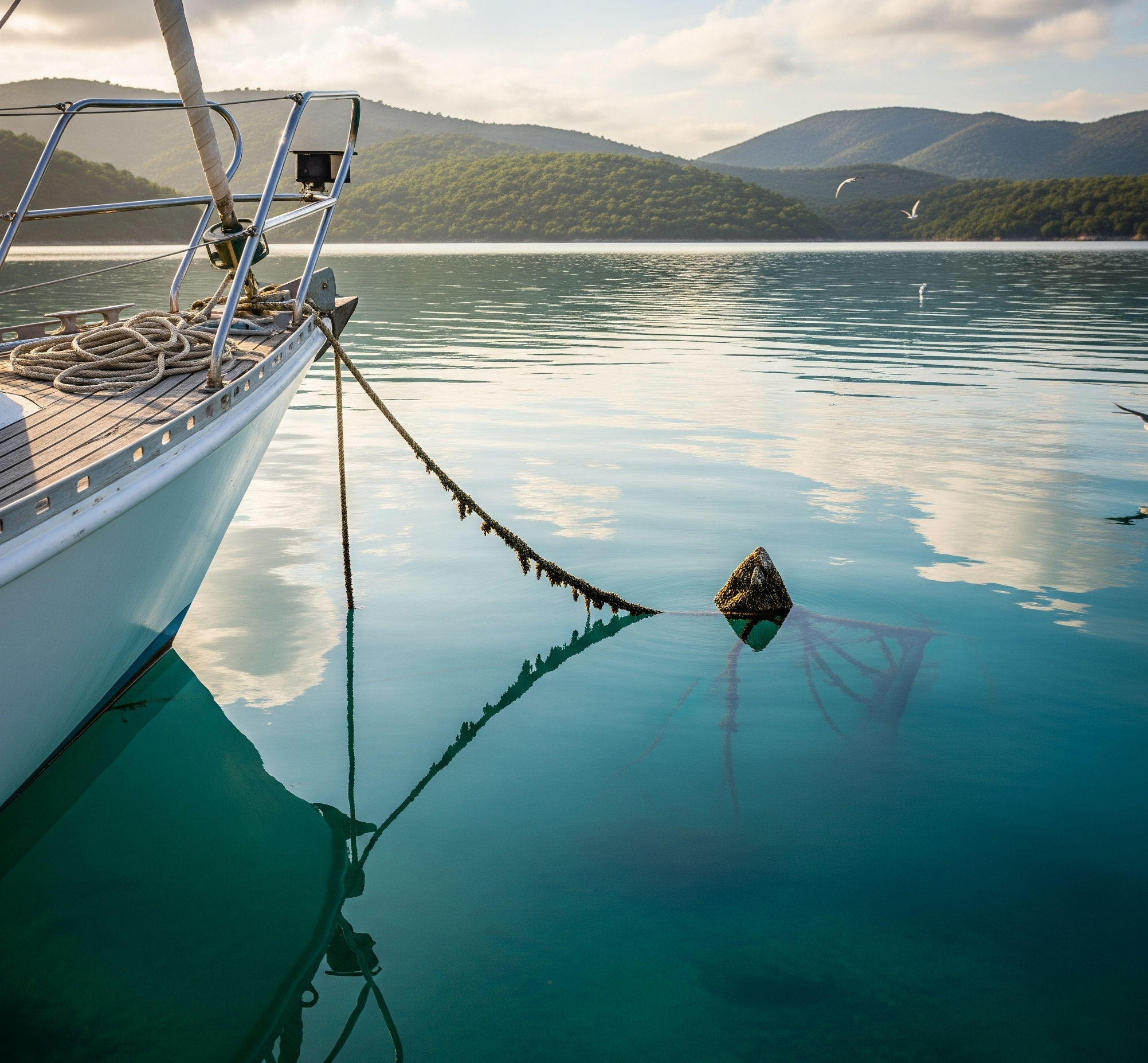
A trip line, or anchor buoy, is a light line tied from the anchor’s crown (the end opposite the flukes) to a small buoy on the surface. This serves two key purposes: it marks the anchor’s location for other boaters and, more importantly, it can be used to pull the anchor out backward if it becomes stuck on a rock or other bottom obstruction. This simple tool can prevent a frustrating and potentially dangerous situation.
Anchor Watch
Once anchored, you should always set an anchor watch to ensure your boat is not dragging. The most reliable method is to take two visual bearings (called transits) on fixed objects on shore. If these alignments change, your boat is moving. Alternatively, use a GPS anchor alarm on a chartplotter or smartphone app, which will alert you if the boat moves outside a pre-set radius.
Environmental Care
As boaters, we have a responsibility to protect marine environments. Always choose your anchorage carefully. Avoid dropping your anchor in sensitive areas like seagrass beds or coral reefs, which can be easily damaged. Opt for sandy or muddy bottoms that provide excellent hold without harming the ecosystem.
Choosing the Right Technique for the Conditions
A true expert doesn’t just know the techniques; they know when to apply them. Matching your anchoring method to the prevailing weather, currents, and environment is crucial for a secure and worry-free experience.
Matching Anchoring Technique to Conditions
| Condition | Best anchoring technique |
| Calm weather and open space | The single anchor technique is a perfect choice due to its simplicity and efficiency |
| Crowded anchorages | Use bow and stern or V-anchoring to limit your swinging radius and avoid collisions with other boats. |
| Strong wind, current, or stormy weather | A tandem or triple anchoring setup provides the extra holding power needed to secure your boat and prevent dragging. |
| Overnight stay | Always prioritize a secure anchorage with a high scope, using a reliable technique that considers potential wind shifts or current changes, possibly with multiple holding points. |
Innovations & Alternatives
The world of anchoring is continually evolving with new technology and alternative solutions designed to improve safety, efficiency, and convenience.
- Floating Anchors: For situations where a traditional anchor isn’t suitable, boaters use floating anchors like drogues or sea anchors. Instead of securing the boat to the seabed, these devices are deployed from the bow to slow the boat’s drift in heavy weather or to maintain a controlled position without a fixed mooring point. This is a critical safety tool in storm conditions.
- Modern Technology: Innovations like electric windlasses have made raising heavy anchors effortless. Smart GPS anchoring alarms provide a high level of security by using a smartphone or chartplotter to monitor your boat’s position and alert you if it starts to drag. Additionally, anchor trackers and other smart devices can help you locate a lost anchor or monitor its holding status from a distance.
Regulations & Etiquette
Anchoring responsibly involves more than just a good technique; it requires respecting the environment and other boaters. Adhering to local rules and established etiquette ensures a safe and pleasant experience for everyone.
- Local Rules and Zones: Many areas have specific local anchoring rules, designated mooring zones, or protected marine parks. These regulations are often in place to protect fragile ecosystems like coral reefs and seagrass beds or to manage high-traffic areas. Always check local charts and regulations before dropping anchor.
- Proper Distance: A fundamental rule of boating etiquette is to leave a proper distance from other boats. You should always provide enough room for every vessel to swing safely without colliding, even if the wind or current changes direction. A good rule of thumb is to allow for your own swinging circle plus a little extra.
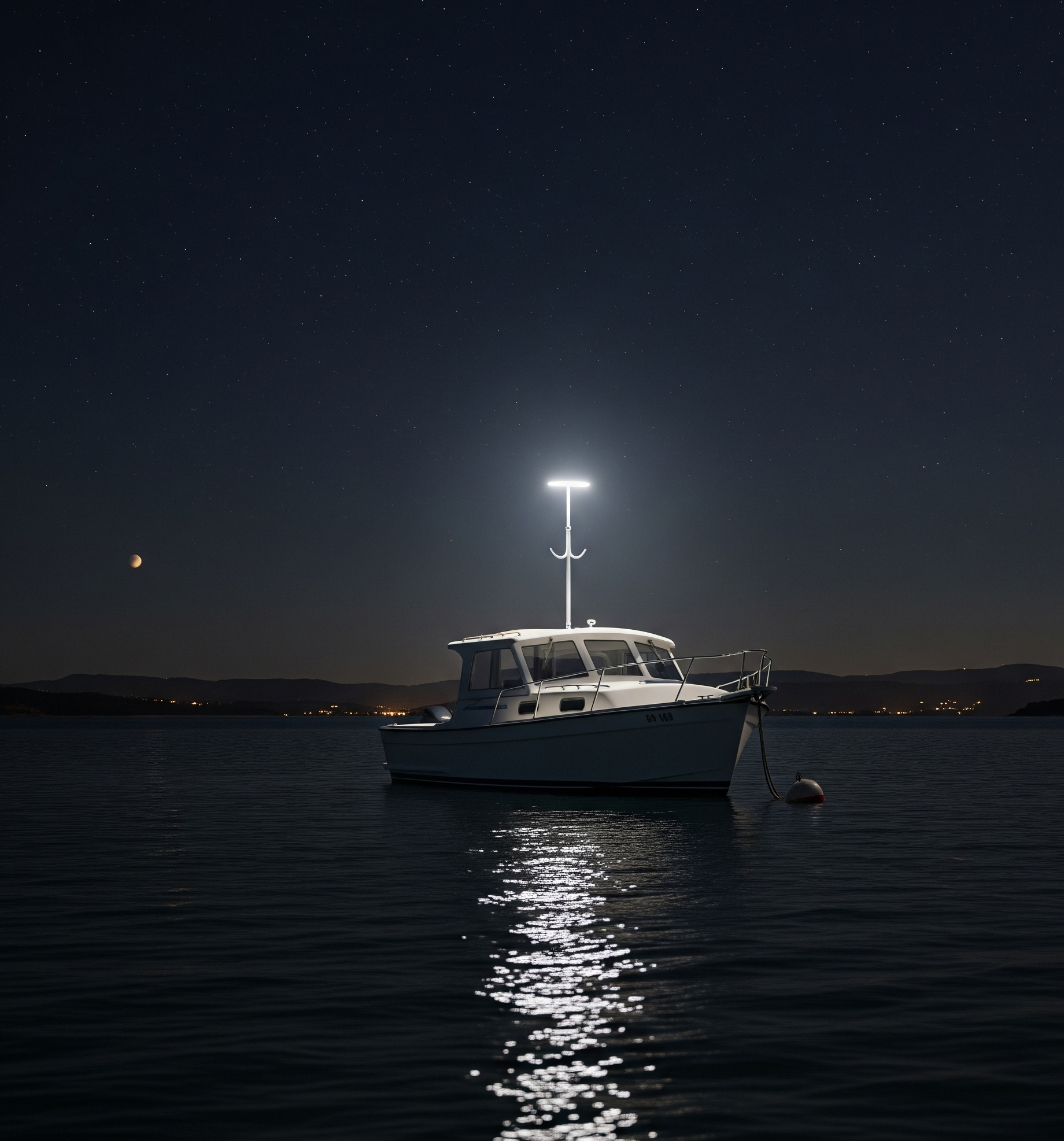
- Anchor Lights: When anchored at night, it is a legal requirement in most jurisdictions to display an anchor light. This all-round white light, visible for at least two miles, signals your position to other vessels and prevents collisions in the dark.
Conclusion
Anchoring is a fundamental skill that every boater must master. It’s both a science and an art—a science because it requires a precise understanding of environmental factors and equipment, and an art because it demands practice, patience, and good judgment. From the simple single anchor technique for a quick lunch stop to the advanced tandem or triple anchoring methods for a stormy night, choosing the right approach for the conditions is key to a safe and secure mooring. By always prioritizing preparation, safety, and a respect for the marine environment, you can anchor with confidence and enjoy your time on the water, knowing your boat is securely held.
