

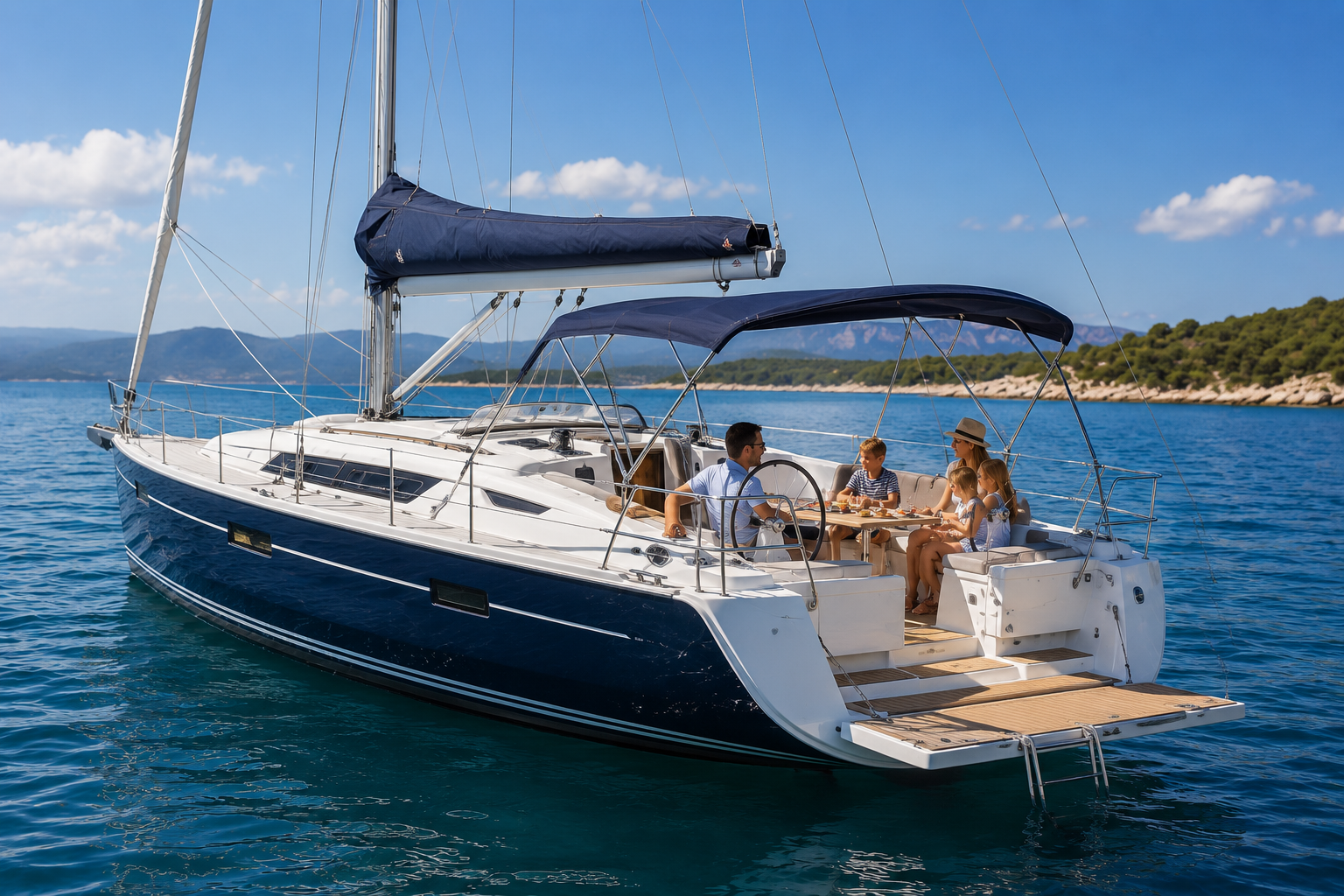
How to choose a family boat: Complete guide
Buying a family boat is an exciting milestone, but with so many styles, sizes, and features on the market, choosing the right vessel requires careful planning. A boat that works perfectly for solo fishing trips might fail completely when accommodating young kids, grandparents, and weekend gear.
To make a smart investment, you need to balance practical needs—like crew capacity, safety, and operational costs—with how your family actually plans to spend time on the water. In this guide, we will break down the essential factors to consider, compare the best boat types for families, and help you navigate everything from budgeting to sea trials with confidence.
Define Your Family’s Boating Needs
Before browsing listings or visiting dealerships, the first step in buying a family boat is evaluating how you actually intend to use it. Defining your group size, primary activities, and typical boating environment will immediately narrow down your options and prevent you from buying a vessel that doesn’t fit your lifestyle.
How Many People Will Be on Board?
Boat capacity isn’t just about official passenger limits; it’s about comfort, seating, safety, and personal space while underway.
- Couples with Children: Smaller families (3 to 4 people) generally thrive on versatile mid-sized vessels like bowriders, small center consoles, or compact RIBs ranging from 18 to 24 feet. These offer plenty of seating without being difficult to manage or dock.
- Large Families: If you have three or more children—or plan to spend entire weekends living aboard—you’ll need more deck space, dedicated sleeping cabins, and a fully enclosed head (bathroom). Look toward pontoon boats, deck boats, or cabin cruisers over 25 feet.
- Occasional Guests: If you frequently invite extended family, friends, or your kids’ classmates, factor in extra capacity. Remember that a boat rated for 8 adults gets crowded quickly once coolers, towels, and water toys are loaded on board.
What Will You Use the Boat For?
Matching your boat to your primary water activities ensures everyone stays entertained and comfortable.
- Day Trips: Quick sunbathing, picnicking, and cove hopping require ample open seating, shade (a Bimini top), a solid swim platform, and straightforward cleanup.
- Weekend Getaways: Overnighting at an anchor or marina calls for a cuddy cabin or express cruiser with comfortable berths, a small galley (kitchen), and basic bathroom amenities.
- Extended Cruising: Spending weeks on the water requires a spacious sailboat, trawler, or catamaran featuring multiple cabins, generous freshwater storage, power generation, and living amenities.
- Water Sports: Wakeboarding, tubing, and waterskiing demand specialized tow-sports boats or outboard craft fitted with tow arches, ski pylons, strong low-end engine torque, and easy rear water access.
- Fishing: If angling is high on the list, prioritize features like rod holders, livewells, washdown hoses, non-skid flooring, and 360-degree casting access (found on center consoles and dual-consoles).
Where Will You Be Boating?
The water conditions where you plan to launch dictate the hull design, draft, and safety equipment you’ll need.
- Inland Lakes: Protected, calm waters are ideal for flat-bottomed or tri-hull designs like pontoon boats and deck boats, which maximize living space and stability at rest.
- Rivers: Shallow or winding waterways require boats with a shallow draft (such as jet boats or aluminum utility craft) to navigate sandbars and submerged obstacles safely.
- Coastal Waters: Bays and coastal sounds encounter chop, tidal currents, and swells. Deep-V hull powerboats, RIBs, or center consoles are necessary to cut through waves smoothly and keep passengers dry.
- Offshore Cruising: Deep-water ocean passages require heavy-duty, seaworthy vessels with high freeboard, self-draining cockpits, twin engines or full sail rigs, and robust navigation electronics.
Choose the Right Type of Family Boat
Selecting the right style of vessel is all about matching hull design and propulsion to your family’s favorite water activities, budget, and appetite for maintenance.
Powerboats
Powerboats—ranging from bowriders and deck boats to cabin cruisers—are the most popular choice for families looking for speed, ease of use, and quick trips.
- Advantages: Fast cruising speeds make it easy to reach destinations quickly. Simple push-button operation means minimal crew experience is required to steer and dock.
- Drawbacks: High fuel consumption during rapid acceleration, continuous mechanical maintenance on engines, and a bumpier ride in heavy chop compared to larger craft.
- Best Suited For: Families focused on water sports, day trips, coastal cruising, and multi-activity weekends.
Rigid Inflatable Boats (RIBs)
Featuring a solid fiberglass or aluminum hull surrounded by durable inflatable collars, RIBs are incredibly resilient and versatile.
- Versatility: High buoyancy makes RIBs nearly unsinkable, allowing them to handle rough chop smoothly while providing a gentle side barrier for young children stepping aboard.
- Easy Transportation: Their lightweight build allows for effortless trailering behind standard family SUVs and straightforward launching on steep or shallow ramps.
- Ideal for Day Trips: Perfect for cove-hopping, snorkeling trips, water-skiing, or serving as a quick shore tender during family outings.
Sailboats
Single-hull sailboats offer a traditional, wind-powered boating experience centered around the journey rather than just the destination.
- Family Cruising: Promotes teamwork and hands-on participation, making it a great environment for teaching kids knot-tying, weather awareness, and navigation skills.
- Comfort for Longer Trips: Monohulls carve through waves smoothly and feature deep, cozy cabins suitable for multi-day coastal or offshore passages.
- Maintenance Considerations: Requires ongoing care for standing rigging, sails, winches, and auxiliary diesel engines, along with a steep learning curve for the captain.
Catamarans
Featuring twin parallel hulls joined by a wide deck bridge, catamarans provide unmatched deck space and stability.
- Stability: They do not heel (lean over) under sail or roll heavily at anchor, drastically reducing seasickness for young children and nervous guests.
- Spacious Living Areas: Offers expansive single-level saloons, wide cockpits, and private sleeping quarters separated across two isolated hulls.
- Higher Purchase Cost: Demands a larger upfront investment and higher recurring marina berth fees due to the wide beam (width) of the vessel.
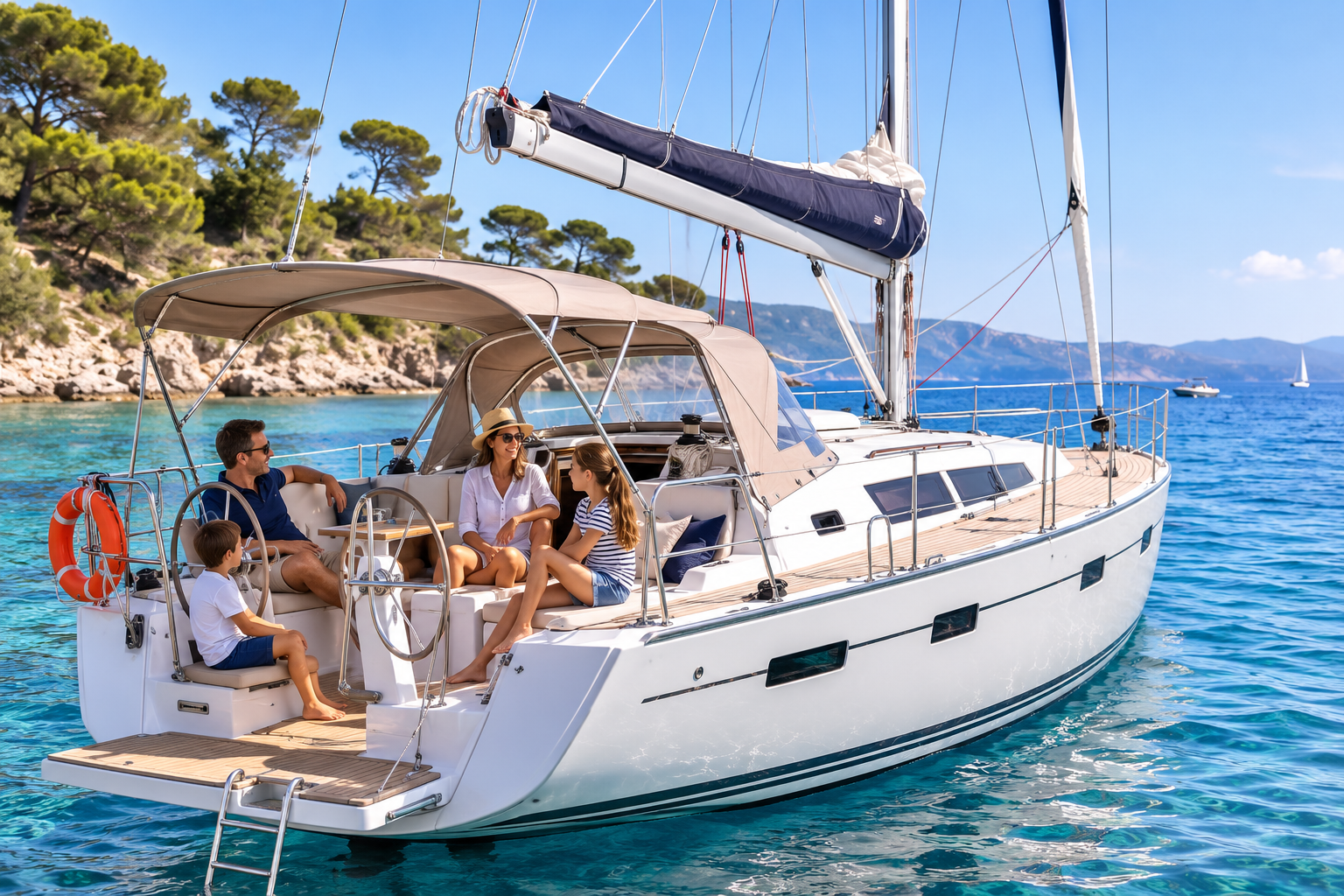
Select the Right Boat Size
Finding the right boat length is a balancing act between physical comfort on the water and the practical realities of owning, storing, and handling a vessel.
Why Boat Length Matters
A boat’s overall length dictates far more than just how many seats are on deck. Length directly influences:
- Seaworthiness and Ride Comfort: Longer hulls bridge wave crests, providing a smoother, drier ride in open or choppy water.
- Handling and Docking: Larger boats feel more stable, but they require greater skill to maneuver in tight marina slips, especially in windy conditions.
- Storage and Trailering: Boats over 25 feet often exceed standard towing weight limits for average family SUVs, requiring heavy-duty trucks and specialized road permits due to beam regulations.
Finding the Right Balance Between Space and Budget
Acquisition cost increases exponentially with size, as do ongoing operating expenses like slip fees (charged per foot), winter storage, haul-out costs, bottom paint, and insurance. The goal is to buy the smallest boat that comfortably fits your family’s routine needs, rather than sizing up for the one weekend a year you host a large group.
Recommended Boat Size by Family Size
| Family Size | Recommended Length | Best Boat Styles | Key Advantage |
| 2–4 People | 18–22 feet | Bowriders, Center Consoles, Small RIBs | Easy to trailer, store at home, and launch single-handed. |
| 4–6 People | 23–28 feet | Deck Boats, Cuddy Cabins, Dual Consoles | Adds an enclosed head, better chop handling, and space for gear. |
| 6+ People | 29+ feet | Pontoons, Cabin Cruisers, Catamarans | Ample deck space, multiple sleeping quarters, and high weight capacity. |
Prioritize Comfort On Board
Paying close attention to layout, shelter, and onboard amenities ensures everyone stays happy and relaxed.
Living and Seating Areas
Look for flexible seating configurations with deep, padded cushions and supportive backrests. Ergonomic L-shaped or U-shaped lounges promote conversation, while convertible sunpads allow crew members to stretch out. Ensure clear walkway access from stern to bow so children move around safely without tripping.
Cabins and Sleeping Arrangements
If your family plans on overnighting, an enclosed cabin provides privacy, protection from pop-up storms, and a quiet retreat for young children needing afternoon naps. Ensure berths are long enough for adults and feature proper hatch ventilation or air conditioning.
Bathroom Facilities
Having a dedicated head (toilet) on board is often the single most important comfort feature for families:
- Porta-Potties: Found on smaller boats (under 23 feet), these simple chemical toilets tuck away inside a center console or step-down compartment.
- Enclosed Marine Heads: Larger vessels feature dedicated private head compartments equipped with flushable marine toilets, holding tanks, a sink, and running fresh water.
Storage Space
A cluttered deck is frustrating and unsafe. Look for intelligent storage solutions, such as hinged under-seat compartments, in-floor ski lockers, deep bow lockers, and dry storage pockets for personal items.
Essential Comfort Features
- Bimini Top: Mandatory shade for protecting kids and guests from intense midday sun exposure.
- Dining Table: A removable table transforms seating areas into a spot for lunches and board games.
- Refrigerator / Coolbox: Built-in electric fridges keep drinks cold and snacks fresh without taking up extra floor space.
- Freshwater Shower: A stern washdown hose allows everyone to rinse off sticky saltwater and sand after swimming.
- Galley: A compact kitchenette equipped with a sink and stovetop burner makes prepping warm meals effortless.
- Swim Ladder: A wide, deep-reaching reboarding ladder with sturdy handrails makes entering and exiting the water safe for all ages.
Put Safety First
When boating with children and non-swimmers, safety must dictate your vessel choice and layout preferences.
Required Safety Equipment
Keep mandatory Coast Guard-approved equipment easily accessible:
- Personal Flotation Devices (PFDs): One properly fitted life jacket per person, plus USCG-approved jackets specifically sized for infants and children.
- Throwable Flotation: A Type IV throwable cushion or ring buoy ready for immediate deployment.
- Visual & Sound Signals: Marine flares or electronic distress lights, along with a functional horn or whistle.
- Fire Extinguishers: USCG-approved marine fire extinguishers mounted in accessible locations near the helm and engine space.
- First Aid & Communications: A marine-grade first aid kit, waterproof flashlight, and fixed-mount or handheld VHF radio.
Boat Stability
- High Initial Stability: Flat-bottomed hulls, pontoon boats, and catamarans remain steady when passengers walk across the deck, making them ideal for young toddlers or seniors.
- Secondary Stability: Deep-V monohulls lean more when weight shifts at rest, but they offer superior wave-slicing performance in rough open water, preventing hard slamming impacts.
Child-Friendly Safety Features
- High Freeboard & Deep Cockpits: Deep interior seating keeps kids well below the gunwale line while underway.
- Tall Stainless Steel Rails: Sturdy bow rails, transom gates, and grab handles provide continuous handholds throughout the vessel.
- Enclosed Transoms: A fully enclosed aft deck with a latching door prevents children from wandering onto the swim platform while the engine is running.
Safe Movement Around the Boat
Ensure decks feature molded non-skid surfaces, marine foam decking (like SeaDek), or snap-in woven carpets to prevent slipping. On walkaround models or center consoles, check that side walkways are wide enough to step through comfortably without squeezing past T-top supports.
Choose the Right Engine and Power
Selecting the right engine configuration ensures your boat performs safely under load without breaking your operating budget.
Outboard vs. Inboard Engines
- Outboard Engines: Mounted on the exterior stern, outboards are lightweight, easy to service, and can be fully tilted out of the water to prevent marine growth and corrosion. Removing the engine from inside the hull also frees up under-deck storage.
- Inboard / Sterndrive Engines: Inboards sit inside the hull, connected directly to a prop shaft or sterndrive unit on the transom. Sterndrives provide a clean swim platform ideal for watersports, but engine compartment access can make maintenance more difficult.
How Much Horsepower Do You Need?
Underpowering a family boat is a common mistake; a boat that performs well during a solo test drive may struggle to get on plane once loaded with a full family, fuel, and gear. Aim for an engine setup rated at 70% to 90% of the boat’s maximum horsepower capacity.
Fuel Efficiency & Maintenance Costs
Modern four-stroke outboards and direct-injection engines are vastly more fuel-efficient than older two-stroke models. Cruising between 3,500 and 4,500 RPM maximizes range and keeps fuel bills manageable. Outboards generally offer lower labor costs and simpler freshwater flushing, while inboards require additional checks for bellows, gimbal bearings, and raw-water impellers.
Set a Realistic Budget
To enjoy boat ownership without financial stress, budget for ongoing operating expenses, routine upkeep, and seasonal storage from day one.
Purchase Price & Insurance Costs
Your initial outlay includes the negotiated price of the boat, trailer, and initial sales tax. Marine insurance coverage protects against hull damage, liability, theft, and environmental cleanup, with premiums based on vessel length, top speed, operating location, and captain experience.
Marina Fees, Annual Maintenance, Fuel, and Storage
- Marina and Docking Fees: Marinas charge for berth space on a per-foot, per-month or annual basis.
- Annual Maintenance: Set aside 10% of the boat’s total value each year for routine engine servicing, oil changes, hull washdowns, anode replacements, and canvas care.
- Fuel Expenses: Budget for fuel as a variable per-trip expense, keeping in mind that marine dock fuel carries a markup.
- Winter Storage: Account for haul-out fees, engine winterization, fuel stabilization, and protective shrink-wrapping or indoor dry-stack storage during cold off-seasons.
New or Used: Which Family Boat Should You Buy?
Deciding between factory-new and pre-owned comes down to balancing budget, technical skills, and immediate availability.
Benefits of Buying New vs. Used
- Benefits of Buying New: Factory warranties cover the hull and engine during your first few years. You gain the latest fuel-efficient technology, modern digital displays, custom option choices, and minimal immediate maintenance.
- Benefits of Buying Used: Depreciation hits hardest during the first two to three years. Buying pre-owned lets you buy a larger, better-equipped model for your budget. Used boats often include expensive accessories (fenders, dock lines, life jackets) and are available for immediate delivery.
What to Inspect Before Purchasing
When buying a pre-owned vessel, perform these critical checks: inspect the hull for deep cracks or soft deck core spots; check engine oil, fluid leaks, belts, and total operating hours; test all helm electronics and bilge pumps; and review detailed maintenance logs. Always hire a credentialed marine surveyor and conduct a full sea trial before buying.
Don’t Overlook Practical Considerations
- Launching and Retrieving: If managing the boat short-handed with young children, a lightweight center console, deck boat, or RIB on a roller trailer makes launching easy.
- Trailer Transport: Verify your vehicle’s maximum towing rating. Factor in the combined weight of the boat, trailer, engine, full fuel tanks, and loaded gear (adding 1,500 to 2,000 lbs over dry weight).
- Storage Requirements: Driveway storage eliminates dockage fees—measure garage depth and door height carefully. Dry-stack storage lifts your boat into a secure frame, while permanent slip storage requires anti-fouling bottom paint.
- Resale Value: Established, tier-one brands hold value better over time. Detailed service records and moderate engine hours preserve strong buyer demand.
Common Mistakes to Avoid When Choosing a Family Boat
- Buying Too Large: Large vessels are harder to dock in tight winds, require heavy-duty tow vehicles, and demand significantly more cleanup after every trip.
- Underestimating Ownership Costs: Expenses like slip fees, fuel, annual servicing, insurance, and winterization add 10% to 20% of the boat’s value in annual operating costs.
- Skipping the Sea Trial: Always test how the hull handles wave chop, engine noise, helm sightlines, and deck stability on open water with your family on board.
- Overlooking Children’s Comfort: Skipping shade, deep cockpits, an enclosed head, or a swim ladder results in tired, sunburnt kids and cut-short outings.
- Buying on Emotion: Stick strictly to your defined needs list, budget constraints, and real-world usage patterns rather than buying for aspirational uses.
Best Family Boats for Different Boating Styles
- Best for Day Cruising: Pontoon Boats, Deck Boats, Bowriders. Maximize usable floor space, offering lounge seating, wide Bimini tops, and integrated dining tables.
- Best for Family Vacations: Express Cruisers, Small Pocket Trawlers, Cruising Catamarans. Feature private sleeping berths, enclosed marine heads, air conditioning, and functional galleys.
- Best for Water Sports: Dedicated Ski/Wakeboard Boats, Performance Bowriders with Tow Arches. Provide strong low-end acceleration, integrated ballast tanks, cruise control, and high tow towers.
- Best for Fishing Trips: Dual Consoles, Center Consoles. Combine aerated livewells and rod holders with cozy seating and 360-degree casting access.
- Best for First-Time Owners: Compact RIBs, Mid-Sized Aluminum Utility Boats, Small Outboard Bowriders (18–21 ft). Easy to maneuver, trail, launch, and dock single-handed while maintaining low engine upkeep.
Conclusion
Choosing the ideal family boat comes down to understanding how your family actually plans to spend time on the water. By carefully balancing your crew size, intended activities, operating budget, and safety requirements, you will narrow down the market to a vessel that delivers comfort and fun without financial stress.
Take your time exploring different options, compare several models side by side, and always schedule a sea trial before finalizing your purchase to ensure the boat handles smoothly in real-world conditions.
