

Coin de Mire by Boat: What to See and How to Get There
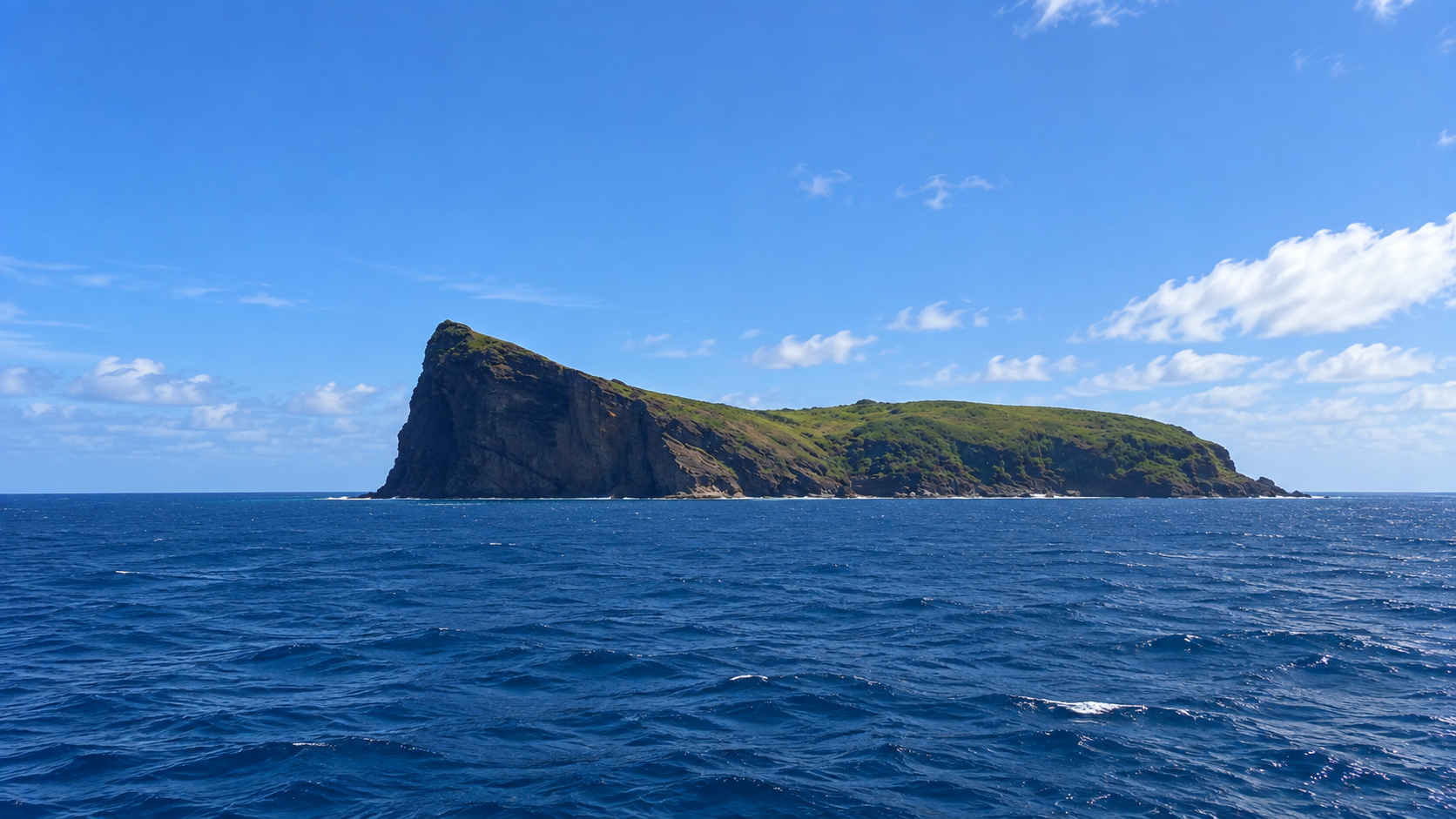
Located off the northern coast of Mauritius, Coin de Mire, also known as Gunner’s Quoin, is a protected nature reserve recognized by its dramatic, wedge-shaped basalt cliffs.
Before planning a trip, it is essential to understand one key rule: you can travel to Coin de Mire by boat, but public landing on the island is strictly prohibited.
Because landing is not permitted, visitors experience Coin de Mire entirely from the sea. Boat excursions to the area focus on coastal sightseeing around the cliffs, as well as swimming, snorkeling, and scuba diving in the surrounding open waters. Many operators offer dedicated trips to the island’s perimeter, while others combine a Coin de Mire scenic stop with beach landings at nearby Gabriel Island and Flat Island.
Where Is Coin de Mire in Mauritius?
Coin de Mire lies a few kilometres off the northern coast of Mauritius, situated directly opposite the Cap Malheureux region. Also known as Gunner’s Quoin, it forms an integral part of the cluster of northern offshore islands that dot the horizon.
Covering an official land area of approximately 75.98 hectares, the island is designated as a protected nature reserve. Its dramatic, steep cliffs and distinctive wedge-shaped rocky profile make it instantly recognizable, rendering it a prominent feature visible from numerous vantage points across northern Mauritius-most notably Cap Malheureux and Bain Boeuf.
Unlike neighboring destinations such as Gabriel Island and Flat Island, which feature accessible shorelines and beaches suitable for day trips, Coin de Mire cannot be explored on foot due to its strict nature reserve status and rugged topography.
Can You come ashore on Coin de Mire?
No. Public access to Coin de Mire is strictly prohibited.
Coin de Mire is a legally protected Nature Reserve under Mauritian law. Public access to the land is restricted to safeguard its fragile ecosystem, endemic vegetation, and critical seabird nesting habitats from human disturbance and introduced species or debris.
Because foot access is prohibited, booking a “Coin de Mire boat trip” does not mean setting foot on the island. Instead, visitors experience the location entirely from the surrounding water.
A typical visit to Coin de Mire involves:
- Boat Approach: Cruising up to the island’s high basalt walls for panoramic coastal views and photo opportunities.
- Cliff Sightseeing: Observing the sheer rock faces, sea caves, and seabirds circling above from the deck.
- Water Stop: Anchoring at a designated location nearby for swimming, snorkeling, or scuba diving in the surrounding reef waters.
- Itinerary Continuation: Moving on to other points along the northern coast or proceeding toward Gabriel Island and Flat Island.
Why Visit Coin de Mire by Boat?
Even without setting foot on land, visiting Coin de Mire from the sea provides a unique perspective on one of Mauritius’ most distinct geographic and ecological landmarks. Approaching by boat allows visitors to experience its dramatic landscape, marine ecosystems, and birdlife up close.
See the Cliffs from the Sea
Coin de Mire features a high, dramatic rocky coastline characterized by steep, sheer basalt walls rising straight out of the ocean.
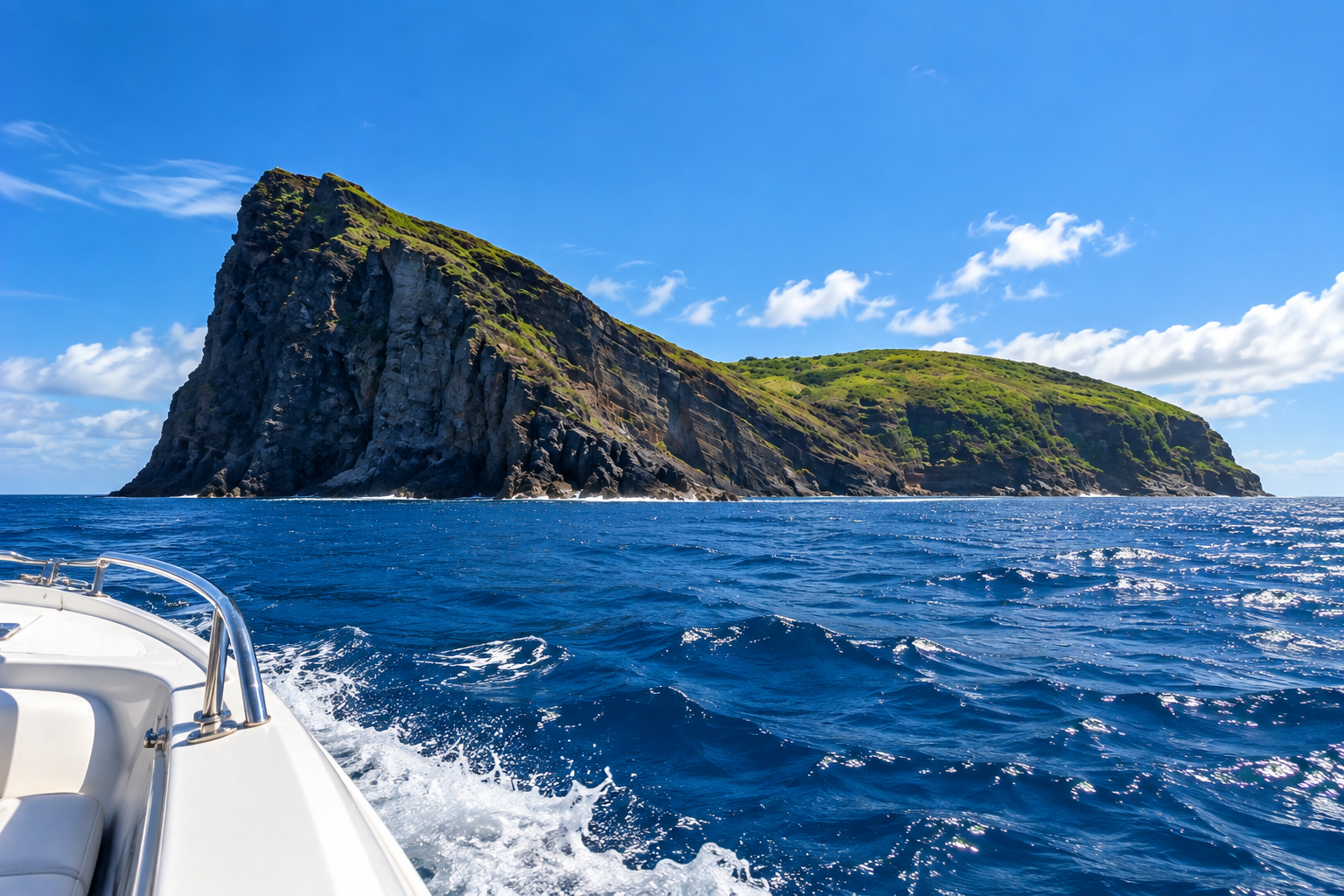
While the island’s signature wedge shape can be spotted from the northern mainland beaches, a boat trip brings you significantly closer. Navigating near the coastline provides a direct view of the jagged rock faces, sea caves carved by ocean waves, and volcanic stone formations that make up its recognizable profile.
Snorkel Around Coin de Mire
Many boat excursions include a snorkeling stop in the sheltered waters surrounding the island.
- Location: Snorkeling takes place directly from the boat in the open water or shallow reef edges nearby, not from any beach or shoreline.
- Marine Life: Swimmers can observe various species of reef fish. Damselfish, surgeonfish, and moray eels are among the commonly documented marine life around the coral formations.
- Infrequent Sightings: Sea turtles are occasionally spotted in the area.
Note: Wildlife sightings are naturally variable and are never guaranteed on any excursion.
Observe Seabirds
Because human access is strictly prohibited, Coin de Mire serves as an undisturbed, critical breeding and nesting habitat for several species of seabirds.
From the deck of a boat, passengers can frequently observe seabirds soaring along the high cliff faces or nesting in the rocky crevices. Verified species nesting on the island include:
- Red-tailed tropicbirds (Phaethon rubricauda)
- Wedge-tailed shearwaters (Puffinus pacificus)
Discover the Underwater Landscape
In addition to surface snorkeling, the coastal shelf and drop-offs around Coin de Mire make it one of the premier locations for scuba diving in northern Mauritius. The underwater topography features steep rock walls, coral gardens, swim-through caverns, and deep wrecks that attract certified divers from around the world.
How Do You Get to Coin de Mire?
To visit the waters around Coin de Mire, you must travel by sea. Boat trips depart exclusively from several key coastal towns across northern Mauritius, catering to different excursion types and preferences.
From Grand Baie
Grand Baie serves as one of the primary hub departure points for excursion operators running Northern Islands sea tours.
- Vessel Options: A wide range of commercial catamarans, speedboats, and private skippered charters operate directly out of the bay.
- Itinerary Focus: Many tours departing Grand Baie combine a scenic pass or snorkeling stop near Coin de Mire as part of a broader full-day itinerary covering the Northern Islands (including Gabriel Island and Flat Island).
- Schedule: Departure times vary depending on the operator, with most full-day excursions setting sail between 8:30 AM and 9:30 AM.
From Cap Malheureux and Bain Boeuf
For travellers seeking a slightly shorter crossing to the island, excursions also depart directly from the coastline facing Coin de Mire.
- Departure Points: Several local boat operators and charter services launch directly from Bain Boeuf Public Beach and the surrounding Cap Malheureux waterfront.
- Trip Types: These departure locations cater to both targeted half-day sightseeing or snorkeling trips around Coin de Mire and combined full-day Northern Islands tours.
From Pereybere for Scuba Diving
While sightseeing catamarans depart from major bays, dedicated scuba diving excursions operate separately through certified dive centers.
- Dive Operations: Dive boats frequently depart from Pereybere, where local PADI and SSI dive centers run scheduled morning or afternoon double-tank trips.
- Targeted Access: Unlike recreational day cruises, dive boats travel directly to specific offshore dive sites around the base of Coin de Mire (such as Confetti Bay or the Djabeda Wreck) without running generalized island sightseeing tours.
How Long Does It Take to Reach Coin de Mire by Boat?
There is no single crossing time that applies to every trip to Coin de Mire. How long the journey takes depends on several key variables:
- Departure Point: Leaving directly from Cap Malheureux or Bain Boeuf involves a significantly shorter transit than setting sail from Grand Baie.
- Boat Type: High-speed motorboats travel at much higher speeds than motor-assisted sailing catamarans.
- Sea Conditions: Wind strength, chop, and swell can cause captains to adjust speeds for passenger safety and comfort.
- Overall Itinerary: Some vessels travel directly to the island’s snorkeling or dive sites, while others take a longer, scenic coastal route.
For direct trips departing from the nearest northern beaches-such as Bain Boeuf or Cap Malheureux-speedboats and dedicated dive craft can reach the waters around Coin de Mire in approximately 10 to 15 minutes.
However, this short duration should not be expected on a catamaran tour. The choice of vessel fundamentally changes both the speed and style of the transit:
- Speedboats: Built for direct, rapid transfer. They minimize time spent in transit so passengers can maximize time swimming, snorkeling, or diving.
- Catamarans: Designed for leisure rather than speed. The journey takes longer-often 30 to 45 minutes or more from Grand Baie-because the leisurely sail along the northern coastline is meant to be part of the excursion experience itself.
Catamaran or Speedboat: Which Is Better for Coin de Mire?
Neither vessel type is universally superior; the ideal choice depends on your group’s preferences, available time, and how you want to spend your day on the water.
Catamaran
Catamaran excursions prioritize the journey as much as the destination, offering a spacious, steady platform for a full day at sea.
Best suited to travellers looking for:
- More Space: Wide, open decks with lounge seating, trampoline netting for sunbathing, and room to walk around comfortably.
- A Relaxed Journey: Smooth, leisurely sailing along the northern coast with stable motion that minimizes sea spray.
- Longer Time at Sea: A slower pace that allows passengers to relax, enjoy music, and take in the coastline views.
- A Full-Day Experience: Itineraries typically last 6 to 7 hours and include a freshly prepared onboard BBQ lunch and drinks.
- Combined Northern Islands Excursions: Ideal for itineraries that pair a scenic pass at Coin de Mire with beach landings at Gabriel Island or Flat Island.
Speedboat
Speedboats focus on efficiency and direct access, making them a practical choice for water-sports enthusiasts and targeted outings.
Best suited to travellers looking for:
- Faster Transfers: High-speed crossings that reach the waters around Coin de Mire in roughly 10 to 15 minutes from nearby northern beaches.
- Multiple Specific Stops: The agility to move quickly between several distinct reef spots or dive sites in a single outing.
- Snorkelling- or Diving-Focused Trips: Maximizes time in the water rather than time spent cruising.
- Less Time Spent Travelling: Perfect for half-day outings or travellers with tighter schedules who prefer a shorter overall commitment.
Choose your boat according to the specific experience you want from your day on the water, rather than simply selecting the shortest journey time.
What Can You See at Coin de Mire?
Approaching Coin de Mire offers a combination of geological features, birdlife, and marine biodiversity that sets it apart from other coastal sites in Mauritius.
Rocky Cliffs and Coastal Scenery
From the sea, Coin de Mire presents a dramatic volcanic topography. Its high, vertical basalt cliffs rise abruptly out of the ocean, displaying exposed rock strata, deep sea caves carved by wave action, and jagged overhangs.
The island’s signature tilted profile-sloping gently on one side and dropping sharply on the other-creates a striking visual contrast against the surrounding open waters, offering clear, unobstructed viewpoints for photography directly from the deck.
Seabirds
Because public access is strictly prohibited, the island serves as an undisturbed sanctuary for seabird colonies. Passengers watching the cliff faces can regularly observe birds soaring along the thermal updrafts or nesting in the rock crevices.
Verified species nesting on the island include:
- Red-tailed Tropicbirds (Phaethon rubricauda): Recognizable by their white plumage, bright red bills, and long, thin red tail streamers.
- Wedge-tailed Shearwaters (Puffinus pacificus): Pelagic seabirds that nest in burrows and crevices along the rocky slopes.
Coral and Marine Life
Below the surface, the waters surrounding Coin de Mire support vibrant marine ecosystems along the reef drop-offs and rocky sea floors.
- Coral Formations: A mix of hard and soft coral clusters providing habitat for small reef species.
- Reef Fish: Abundant populations of tropical fish, including damselfish, surgeonfish, butterflyfish, and parrotfish.
- Crevice Inhabitants: Moray eels hiding within the basalt rock gaps and coral ledges.
- Occasional Sightings: Green sea turtles occasionally feed or swim through the shallow reef sections.
Note on Wildlife Sightings: Marine life operates unpredictably in open waters. While fish and corals are consistently present, sightings of turtles, dolphins, or passing whales depend entirely on sea conditions and luck, and can never be guaranteed on any excursion.
Snorkelling at Coin de Mire: What to Expect
Snorkelling at Coin de Mire is an open-water experience, fundamentally different from wading into a shallow lagoon from a sandy beach.
How the Excursion Works
- Direct Boat Entry: Swimmers enter the water directly from the vessel-either by jumping off the side, stepping off a rear swim platform, or using a stern ladder.
- Location Selection: The skipper selects the precise anchoring or mooring site on the day of the trip, choosing the most sheltered spot based on wind direction and ocean swell.
- Variable Conditions: Water visibility, underwater currents, and marine life activity fluctuate daily depending on weather patterns and tide cycles.
- Equipment Considerations: Snorkelling masks, fins, and buoyancy aids may or may not be provided depending on the operator. Confirm equipment inclusion when booking or bring your own fitted gear.
- Crew Supervision: Crew instructions and safety boundaries must be followed strictly at all times while in the water.
Practical Safety Advice
Offshore snorkelling around Coin de Mire should not be assumed automatically suitable for every swimmer or young child. Because you are swimming over deep water with potential ocean currents, basic swimming proficiency and comfort in open water are essential.
- Inform the Crew: If you or a family member are not confident swimmers, inform the boat crew before entering the water.
- Use Flotation Aids: Request a life jacket, buoyancy vest, or noodle to maintain comfortable flotation throughout the session.
- Stay Near the Vessel: Always remain within clear sight and easy swimming distance of the boat, especially if currents increase.
Scuba Diving Around Coin de Mire
While recreational snorkeling excursions stay near the surface, Coin de Mire is also one of northern Mauritius’ premier scuba diving destinations. The underwater topography around the island features dramatic drop-offs, swim-throughs, coral gardens, and historic wrecks scattered along the sea floor.
Important Note: Accessing these dive sites requires booking a dedicated scuba diving trip with a certified dive center (such as PADI or SSI operators). These sites are not included in standard catamaran sightseeing or recreational snorkeling cruises.
Confetti Bay
- Site Characteristics: A well-known, relatively sheltered dive site located along the lee side of the island.
- Depth: Typically ranges between 5 and 18 metres, making it a versatile location.
- Diver Suitability: Often used for novice divers, refresher dives, or open-water training sessions, though exact entry conditions depend on operator assessment and ocean swell on the day.
The Wall
- Site Characteristics: A dramatic, vertical underwater drop-off that plunges into deeper water off the island’s rocky edges.
- Diver Suitability: Currents and depth make this site more relevant to advanced or experienced divers comfortable with deep diving and buoyancy control along vertical rock faces.
Carpenter Reef
- Site Characteristics: Features rugged underwater rock formations, large boulders, and sprawling coral patches that shelter resident marine species such as lobsters, moray eels, and groupers.
- Diver Suitability: Offers varied terrain for intermediate and advanced divers depending on the target depth and drift conditions.
Djabeda Wreck
- Site Characteristics: A purpose-sunk Japanese fishing vessel measuring approximately 44 metres long, resting upright on a sandy bottom near Coin de Mire.
- Depth & Life: Sitting in roughly 24 to 34 metres of water, the wreck has transformed into an artificial reef covered in soft corals and frequented by barracudas, stingrays, and stonefish.
Coin de Mire, Gabriel Island and Flat Island: What Is the Difference?
While Coin de Mire, Gabriel Island, and Flat Island are all part of Mauritius’ northern offshore cluster, the experiences they offer are fundamentally different. Understanding these differences helps align expectations before booking an excursion.
| Feature / Activity | Coin de Mire | Gabriel Island | Flat Island |
| Public Landing | Prohibited (Nature Reserve) | Allowed | Allowed (on designated beach areas) |
| Primary Activities | Boat sightseeing, coastal cliff views, snorkelling, scuba diving | Beach relaxation, shallow swimming, coastal walks | Beach stops, swimming, exploring scenic coastlines |
| Island Terrain | Steep basalt cliffs, no accessible public beaches | Low-lying, sandy coves, shallow turquoise lagoon | Much larger landmass, flat interior, wide beaches |
| Excursion Role | Offshore sightseeing & deep-water marine stop | Main beach & lunch stop for catamaran tours | Combined beach stop alongside Gabriel Island |
Why This Difference Matters for Your Itinerary
Many commercial day tours are advertised as “Coin de Mire & Northern Islands Excursions.” Because landing on Coin de Mire is strictly prohibited, these trips do not spend the entire day at one location.
Instead, a typical full-day catamaran itinerary features a scenic pass and snorkelling stop in the deep waters around Coin de Mire, followed by anchoring at Gabriel Island or Flat Island for beach time, swimming in the shallow lagoon, and an onboard or beachside lunch.
Knowing this distinction ensures you won’t expect a sandy beach landing when approaching Coin de Mire, while still getting the full benefit of its dramatic coastal cliffs and marine life.
Half-Day or Full-Day Trip to Coin de Mire?
Choosing between a half-day and a full-day excursion depends on whether you want a targeted outing focused specifically on Coin de Mire or a broader tour of Mauritius’ northern islands.
Half-Day Trip
A half-day excursion is a focused option that typically lasts between 3 and 5 hours, depending on the operator and departure point.
More appropriate for:
- Direct Coin de Mire Sightseeing: Passengers whose main goal is seeing the cliffs, birdlife, and coastal geology up close.
- Snorkelling & Swimming: Dedicated water stops around the island’s marine perimeter without spending the entire day at sea.
- Shorter Time Commitment: Families with young children, travellers prone to seasickness, or those with tight schedules.
- Scuba Diving Excursions: Double-tank dive runs that leave early in the morning and return before afternoon sea breezes build up.
Full-Day Trip
A full-day excursion expands the itinerary into a complete marine adventure, usually lasting around 6 to 8 hours.
More appropriate for:
- The Complete Northern Islands Experience: Combining a scenic pass or snorkelling stop at Coin de Mire with beach landings at Gabriel Island or Flat Island.
- Beach Time & Shallow Lagoon Swimming: Relaxing on sandy shorelines that Coin de Mire itself cannot provide.
- Onboard Dining: Enjoying a freshly cooked BBQ lunch (often featuring grill items, fresh salads, and local drinks) anchored in a protected lagoon.
- A Leisurely Day at Sea: Maximizing time spent cruising on a catamaran deck, sunbathing, and enjoying the open water.
Exact schedules, departure times, and total trip durations vary between individual boat operators. Always confirm the specific itinerary and time on the water before making your reservation.
When Is the Best Time to Visit Coin de Mire by Boat?
The most critical factor determining the quality of a boat trip to Coin de Mire is the local sea and wind condition on the day of departure, rather than the calendar month alone.
Impact of Sea Conditions
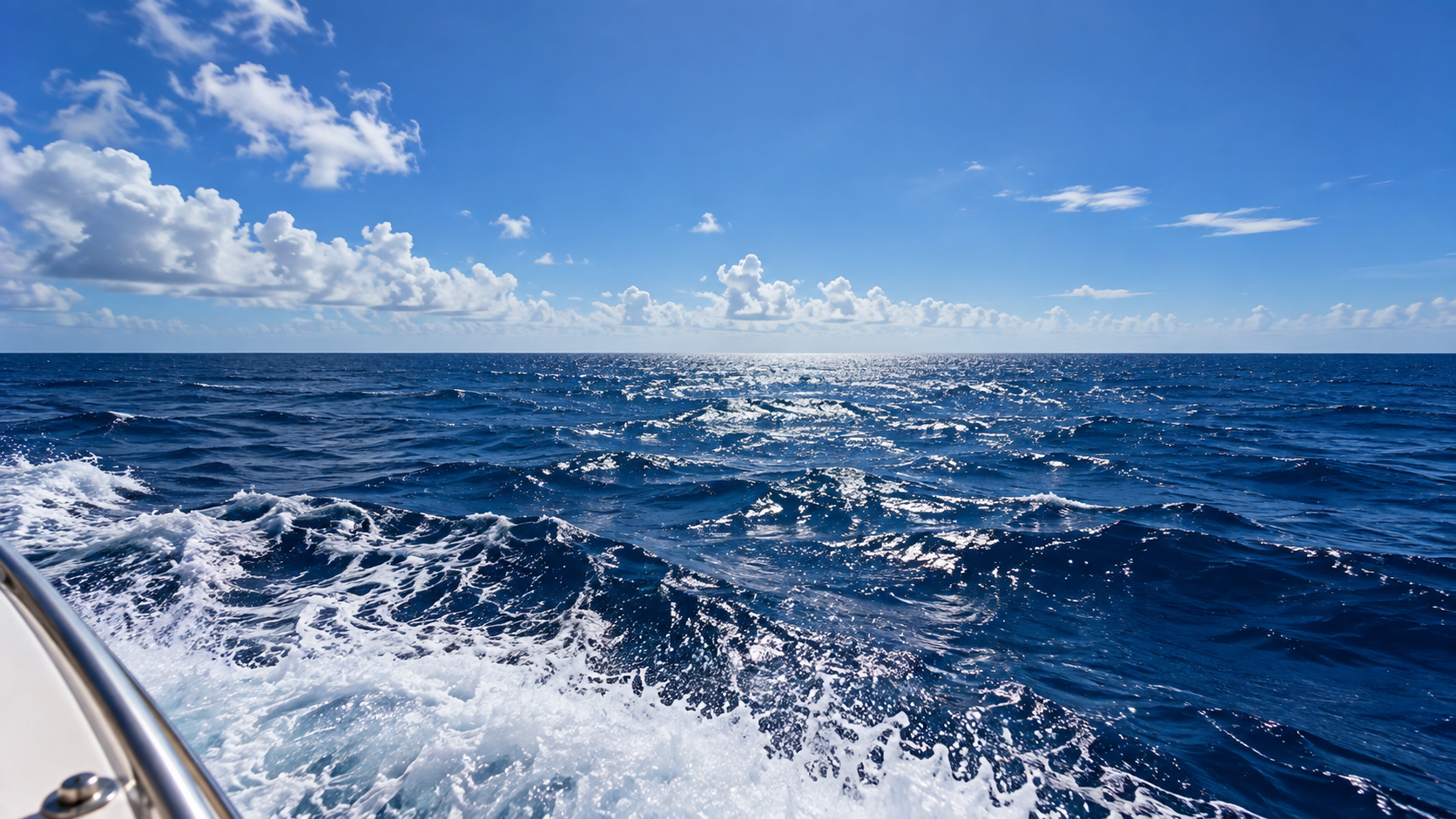
Because Coin de Mire sits outside the fully protected mainland lagoon, boat crossings and snorkeling stops are directly exposed to wind chop, ocean swells, and tidal currents. Sea conditions influence:
- Transit Comfort: Rough seas cause significant vessel movement, increasing the risk of seasickness and heavy sea spray.
- Water Visibility: Wind-driven waves and strong swells churn up sediment, reducing underwater clarity for snorkeling and diving.
- Itinerary Safety: High winds or heavy ground swells may cause captains to alter snorkeling locations, move to the sheltered lee side of the island, or cancel the crossing entirely.
General Seasonal Trends in Mauritius
- Summer (November to April): Features warmer water temperatures (26°C to 28°C) and lighter trade winds on average, often yielding clear underwater visibility. However, summer is also the rainfall and tropical cyclone season, which can bring sudden squalls or afternoon thunderstorms.
- Winter (May to October): Brings cooler sea temperatures (22°C to 24°C) and stronger, more consistent southeasterly trade winds. While coastal weather remains pleasant, open-water crossings can experience increased chop and swell.
Crucial Rule: Regardless of the season, the skipper holds ultimate authority on weather suitability. Never press a captain to proceed if they recommend altering or canceling an open-water crossing.
Is a Coin de Mire Boat Trip Suitable for Children?
A boat trip toward Coin de Mire can be an enjoyable family excursion, but it requires realistic preparation regarding vessel motion, open-water conditions, and safety measures.
Factors to Consider Before Bringing Children
- Open-Water Motion: Vessels leave the calm, shallow lagoon once they head toward Coin de Mire. The increased wave action on open water can cause discomfort or seasickness in young children.
- Snorkelling Ability: Snorkelling takes place directly from the boat over deeper water rather than from a gradual beach entry. Children must be comfortable in deep water and possess adequate swimming skills.
- Unforgiving Shoreline: Because public landing is strictly prohibited, children will not be able to get off the boat onto a beach to stretch their legs at Coin de Mire.
- Constant Supervision: Parents must maintain continuous visual contact and supervision, especially near open stern platforms, gunwales, and ladder access points.
Family Checklist Before Booking
Before reserving a trip with young children, verify the following details directly with the operator:
- Minimum Age Policy: Confirm whether the operator sets age restrictions for open-water crossings or speedboats.
- Child Life Jackets: Ensure the vessel carries officially certified, properly fitted life jackets in correct pediatric and infant sizes (not just adult vests).
- Onboard Shade & Head: Verify that the boat features an operational Bimini top or covered deck for sun protection, as well as an accessible toilet.
- Vessel Type Selection: Large catamarans generally provide a more stable, spacious, and forgiving platform for families compared to rigid speedboats.
What Should You Bring?
Because a boat trip to Coin de Mire involves open-water swimming, variable sun exposure, and potentially choppy sea spray, packing the right essentials ensures a comfortable day on the water.
- Swimwear & Towel: Wear your swimwear under your clothes before boarding to make transitioning into the water seamless. Pack a quick-drying microfiber towel.
- Sun Protection: High-SPF, reef-safe sunscreen (protects fragile coral ecosystems), a wide-brimmed hat with a chin strap (to prevent it blowing off in high winds), and UV-blocking sunglasses.
- Waterproof Gear Pouch: A dry bag or clear, sealable waterproof phone pouch to protect cameras, phones, and personal documents from salt spray.
- Layering & Dry Clothes: A light windbreaker or UV rash guard for the transit, plus a complete change of dry clothes for the ride home.
- Snorkelling Gear (Optional): Bring your own fitted mask and snorkel if you prefer personal gear, though basic equipment is often provided by operators.
- Seasickness Remedies: Medication or acupressure bands taken before departure if you are sensitive to ocean swell.
- Hydration: Fresh drinking water, especially on smaller boats where catering may not be included.
What Should You Check Before Booking?
Excursions around Coin de Mire vary widely in duration, inclusions, vessel types, and overall focus. Comparing listings based on actual operational details rather than price alone helps prevent unexpected surprises on the day.
Before reserving your spot, verify the following checklist with the operator:
- Exact Departure Location: Does the trip leave from Grand Baie, Cap Malheureux, Bain Boeuf, or Pereybere?
- Vessel Type & Capacity: Is it a large shared catamaran, a fast rigid speedboat, or a private charter? What is the maximum passenger limit?
- Detailed Itinerary: Does the excursion focus solely on Coin de Mire, or does it include beach stops at Gabriel Island and Flat Island?
- Inclusions & Catering: Are lunch, snacks, and soft/alcoholic drinks provided, or do you need to pack your own supplies?
- Snorkelling Equipment: Is snorkelling gear included free of charge, available for hire, or required to be brought by the guest?
- Child Policies: What is the minimum age limit, and are certified pediatric life jackets available on board?
- Weather & Cancellation Policy: How far in advance will the skipper make a decision regarding bad weather, and what are the refund or rescheduling terms?
How to Visit Coin de Mire Responsibly
Coin de Mire’s classification as a protected Nature Reserve is essential for preserving Mauritius’ remaining indigenous coastal ecosystems. Visiting responsibly means minimizing your footprint while enjoying the marine surrounding environment.
- Respect the Landing Prohibition: Never ask a skipper to approach the shoreline or drop you off on the island. Public access on land is illegal.
- Maintain Wildlife Distance: Do not attempt to feed, chase, or touch seabirds, marine turtles, or fish. Feeding alters natural wildlife behaviors and damages ecosystem balance.
- Protect the Reef: Never touch, kick, or stand on live coral formations. Buoyancy control is critical while snorkelling or diving to avoid breaking delicate reef structures.
- Secure Loose Items: Ensure hats, plastic bags, wrappers, and lightweight belongings are stowed safely on board so they do not blow into the ocean.
- Follow Crew Instructions: Obey the skipper and crew regarding swimming boundaries, anchoring locations, and safety protocols at all times.
Can You See Coin de Mire Without Taking a Boat?
Yes. Because of its towering basalt profile and proximity to the mainland, you can easily view Coin de Mire from several locations along the northern coast of Mauritius without embarking on a boat excursion.
Top Coastal Viewing Locations
- Cap Malheureux (Notre-Dame Auxiliatrice Church): The most iconic vantage point on the island. The bright red roof of the landmark chapel creates a direct visual frame with Coin de Mire sitting prominently on the horizon.
- Bain Boeuf Beach: Located directly opposite the island, offering wide, elevated views of the sheer cliffs across the ocean channel.
- Pereybere Beach & Point: The rocky headlands near Pereybere provide clear, unobstructed sightlines across the water toward the island’s sloped eastern ridge.
- Anse La Raie: A popular spot for kitesurfing that offers panoramic views of the entire northern marine seascape.
While land-based viewpoints provide excellent photo opportunities, seeing the island from the coast only reveals its silhouette. A boat trip is required to observe the fine details of the cliff faces, sea caves, nesting seabirds, and surrounding marine life.
Is a Boat Trip to Coin de Mire Worth It?
Whether a boat trip to Coin de Mire is worth your time depends heavily on what you expect from the outing.
A Boat Trip IS Worth It If:
- You prioritize snorkeling or scuba diving: The deep-water reefs and rock walls surrounding the island offer some of the highest marine biodiversity and underwater visibility in northern Mauritius.
- You appreciate geology and coastal landscapes: Seeing the sheer 100-metre basalt cliffs and sea caves up close from the water provides a dramatic visual experience impossible to replicate from land.
- You are a seabird enthusiast: It is one of the best locations in Mauritius to watch red-tailed tropicbirds and shearwaters soaring and nesting along sea-facing cliffs.
- You choose a combined excursion: Pairing a scenic pass at Coin de Mire with beach stops at Gabriel Island or Flat Island gives you both dramatic offshore scenery and classic tropical beach relaxation in a single day.
A Boat Trip MAY NOT Be Worth It If:
- You are looking for a sandy beach day: Because landing on the island is strictly prohibited, you cannot step ashore, sit on a beach, or walk around Coin de Mire.
- You are prone to severe motion sickness: The crossing involves leaving the calm, protected mainland lagoon into open ocean swells that can be choppy.
- You are non-swimmers who only want to land: If you do not plan to swim, dive, or snorkel from the boat, a dedicated half-day excursion focused purely on Coin de Mire may feel limited compared to watching it from Cap Malheureux.
