

Where Are the Best Snorkeling Spots to Visit by Boat in Mauritius?
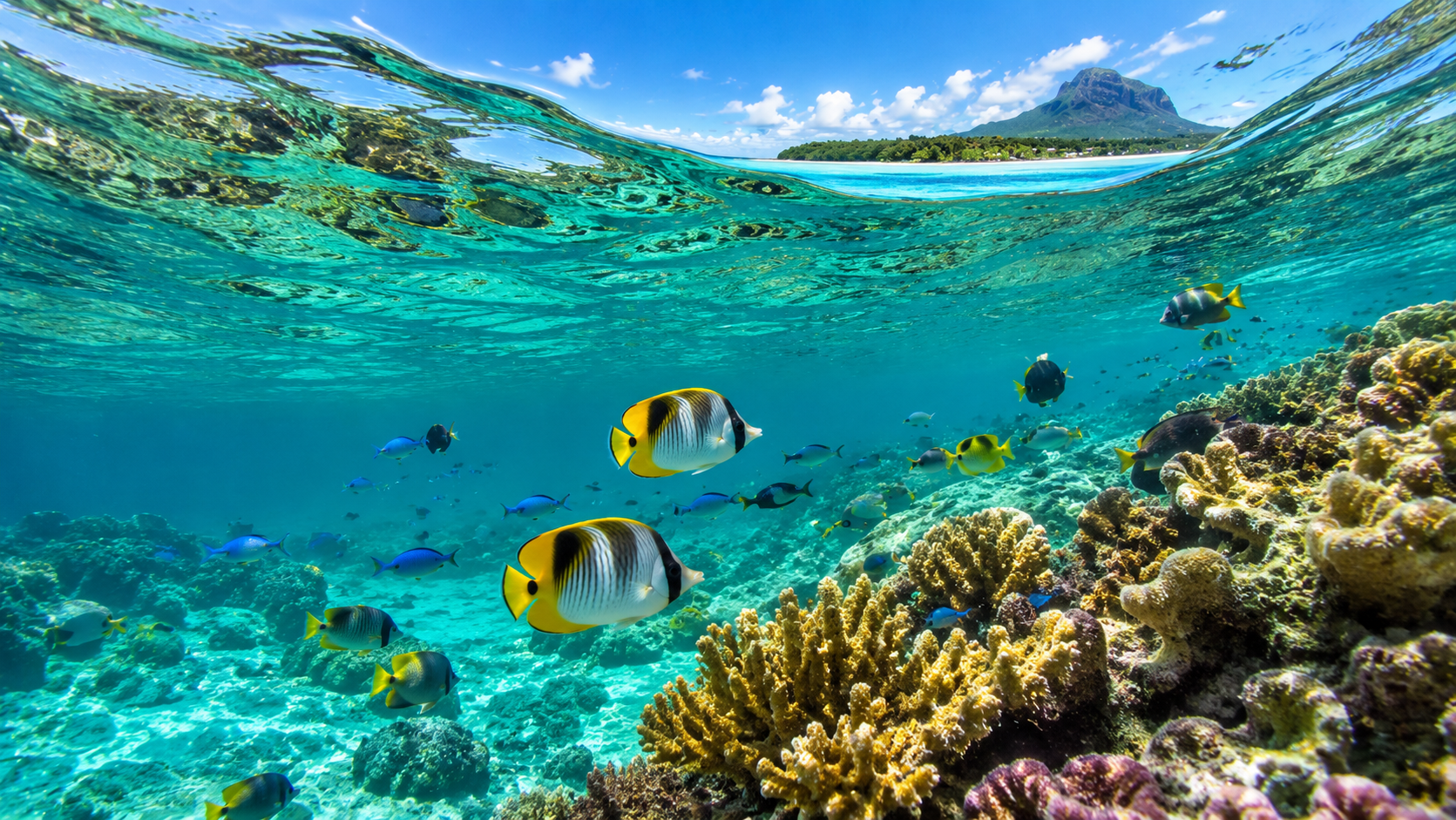
Mauritius is a tropical haven for underwater exploration, surrounded by vibrant coral reefs and shallow turquoise lagoons filled with colorful marine life. While shoreline snorkeling is popular, booking a boat trip grants access to untouched outer reefs, marine sanctuaries, and offshore island lagoons unreachable from the beach. This guide highlights the island’s top boat-accessible snorkeling locations, compares the best excursion options, and offers practical safety and seasonal tips for your marine adventure.
Why Choose a Boat Trip for Snorkeling in Mauritius?
Booking a dedicated boat excursion elevates your snorkeling experience in Mauritius beyond the reach of standard beach swims. Guided trips offer several clear advantages for exploring the island’s underwater world:
- Access Remote Outer Reefs: Reach pristine marine reserves, offshore islets, and deeper reef edges that are difficult or impossible to access safely from shore.
- Explore Multiple Environments: Experience diverse underwater landscapes in a single day-from shallow coral gardens and mangrove estuaries to dramatic outer reef drop-offs.
- Expert Crew Guidance: Enjoy safety supervision, local insights into marine life behavior, and direct assistance from an experienced crew familiar with local currents.
- Complete Island Excursions: Combine your time underwater with scenic coastal sailing, beach lounging on remote islets, and freshly prepared onboard lunches.
6 Best Snorkeling Spots to Explore by Boat in Mauritius
1. Blue Bay Marine Park: Discover Colourful Coral Reefs
Situated along the southeastern coast near Mahebourg, Blue Bay Marine Park is a strictly protected reserve celebrated for its rich underwater biodiversity. The park features dense, sprawling coral gardens composed of giant brain corals, staghorn formations, and soft corals that shelter damselfish, parrotfish, sergeant majors, and occasional hawksbill sea turtles. Visitors can access these vibrant shallow waters (ranging from 2 to 6 meters deep) via glass-bottom boats or local speedboats, making it an exceptional choice for beginners and families. Because the marine park is heavily regulated, strict conservation rules apply; touching or stepping on delicate coral structures is prohibited, and wearing reef-safe sunscreen is strongly encouraged to preserve the ecosystem.
2. Coin de Mire: Explore the Marine Life of Northern Mauritius
Located off the northern tip of Mauritius and visible from Cap Malheureux, Coin de Mire is a dramatic volcanic islet surrounded by deep fissures, rock shelves, and outer reef walls. Catamarans and private speedboats departing from Grand Baie anchor in sheltered bays near the islet, such as the famous Djabeda site, where exceptional water clarity reveals large pelagic fish, triggerfish, angelfish, octopus, and occasionally harmless reef sharks. Due to depths of 6 to 15 meters and exposure to open-ocean swells, this site is best suited for confident intermediate to advanced snorkelers. Visitors must stay close to their boat and follow crew instructions, as landing on the islet itself is forbidden to protect native seabird sanctuaries.
3. Gabriel Island and Flat Island: Snorkeling on a Catamaran Cruise
Positioned roughly 11 kilometers off the northern coast, Gabriel Island and Flat Island enclose a shallow, crystal-clear turquoise channel that serves as a natural aquarium. Full-day catamaran and speedboat excursions from Grand Baie regularly visit this northern haven, blending ocean sailing, beach relaxation, and an onboard barbecue lunch with rewarding underwater exploration. The calm lagoon channel shelters sea fans, blue-lined snappers, and juvenile reef species, offering comfortable conditions for beginners inside the protected areas. Swimmers should remain mindful of the tides, however, as currents can run swiftly through the open sea passages connecting the two islands.
4. Pointe aux Piments and Balaclava: Discover Marine Wildlife
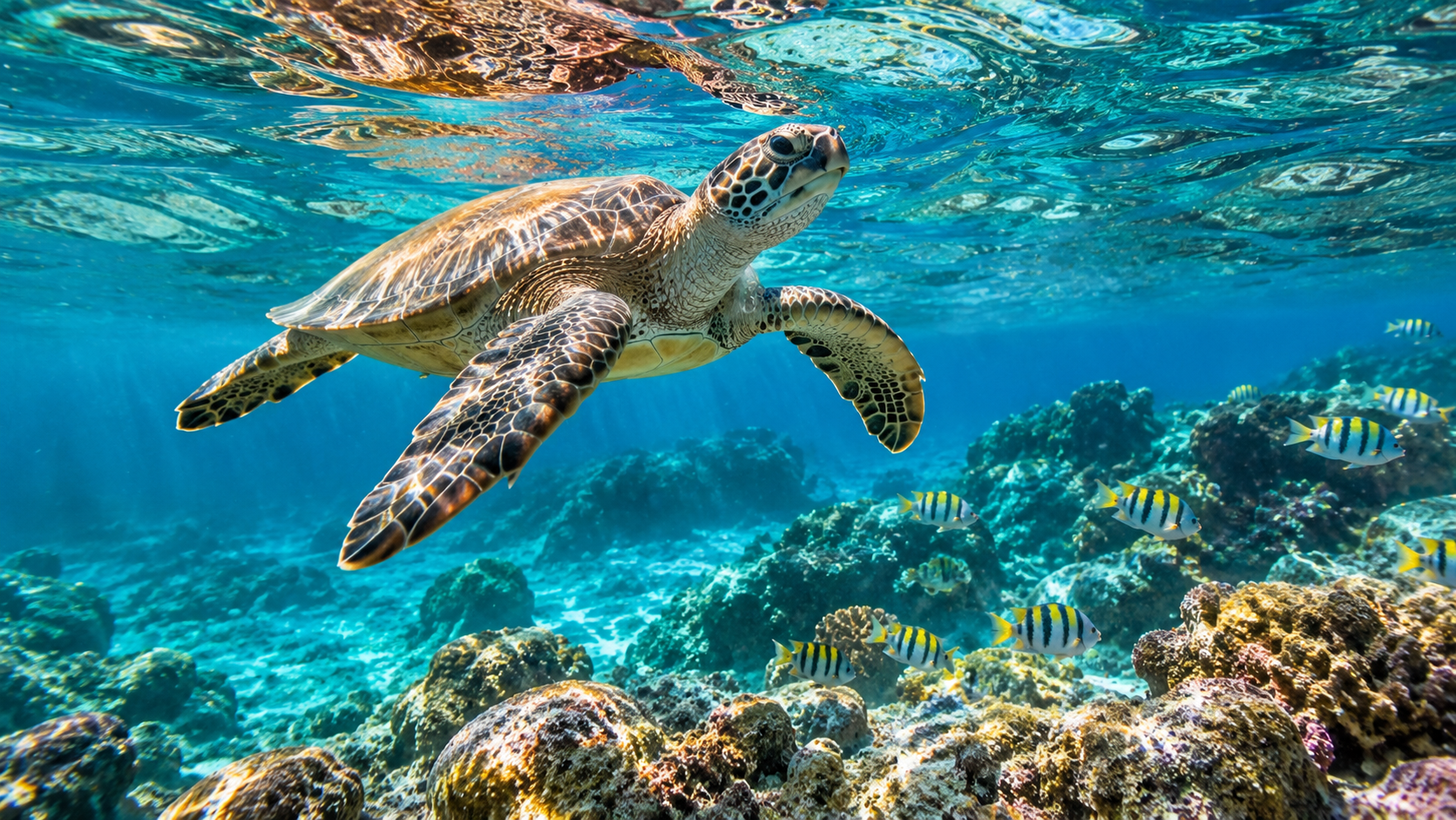
The protected northwestern coastline surrounding Pointe aux Piments and the Balaclava Marine Park is renowned for extensive coral gardens and frequent sea turtle encounters. Green and hawksbill turtles regularly feed on the shallow sea grass beds and rest among the coral ledges, offering memorable viewing opportunities for snorkelers of all skill levels. Guided coastal boat trips and hotel-launched speedboats access these sheltered, shallow waters easily. While turtle sightings are common, they remain wild animals and cannot be guaranteed; observers should maintain a respectful distance, avoiding any attempt to chase, touch, or impede turtles when they rise to the surface to breathe.
5. Île aux Cerfs: Combine Snorkeling with a Lagoon Adventure
Departing from Trou d’Eau Douce along the east coast, boat excursions to Île aux Cerfs navigate expansive shallow lagoons and coastal mangrove channels. While the main island beaches cater to relaxation, nearby outer reef spots such as Trou Moutou feature thriving coral clusters, sea anemones, and shoals of silver forage fish. These full-day catamaran and speedboat itineraries typically combine light reef snorkeling with a visit to the Grand River South East waterfall and an island beach lunch, making it ideal for groups and first-time snorkelers. Because high boat traffic operates within the surrounding channels, swimmers should always stay inside marked safety zones and remain aware of passing watercraft.
6. Île aux Bénitiers and Crystal Rock: Explore the West Coast Lagoon
Along the southwestern coast near Black River and Le Morne, west coast boat tours take visitors into a peaceful lagoon anchored by the iconic submerged formation of Crystal Rock. With shallow, sandy-bottomed waters spanning just 1.5 to 3 meters deep, this site offers effortless snorkeling around scattered coral heads, sea urchins, and pipefish against a scenic mountain backdrop. Most itineraries pair snorkeling at Crystal Rock with early morning dolphin watching in Tamarin Bay and a relaxing stop on Île aux Bénitiers. Due to the very shallow coral tops, snorkelers should take care not to stand on or kick the natural formations to avoid personal injury and prevent damage to the reef environment.
When Is the Best Time to Go Snorkeling in Mauritius?
Snorkeling in Mauritius is enjoyable year-round, but key environmental factors-such as water temperature, underwater visibility, wind speed, and sea conditions-vary considerably between seasons. Understanding these variations helps you pick the optimal time and region for your boat excursion.
Seasonal Breakdown: Summer vs. Winter
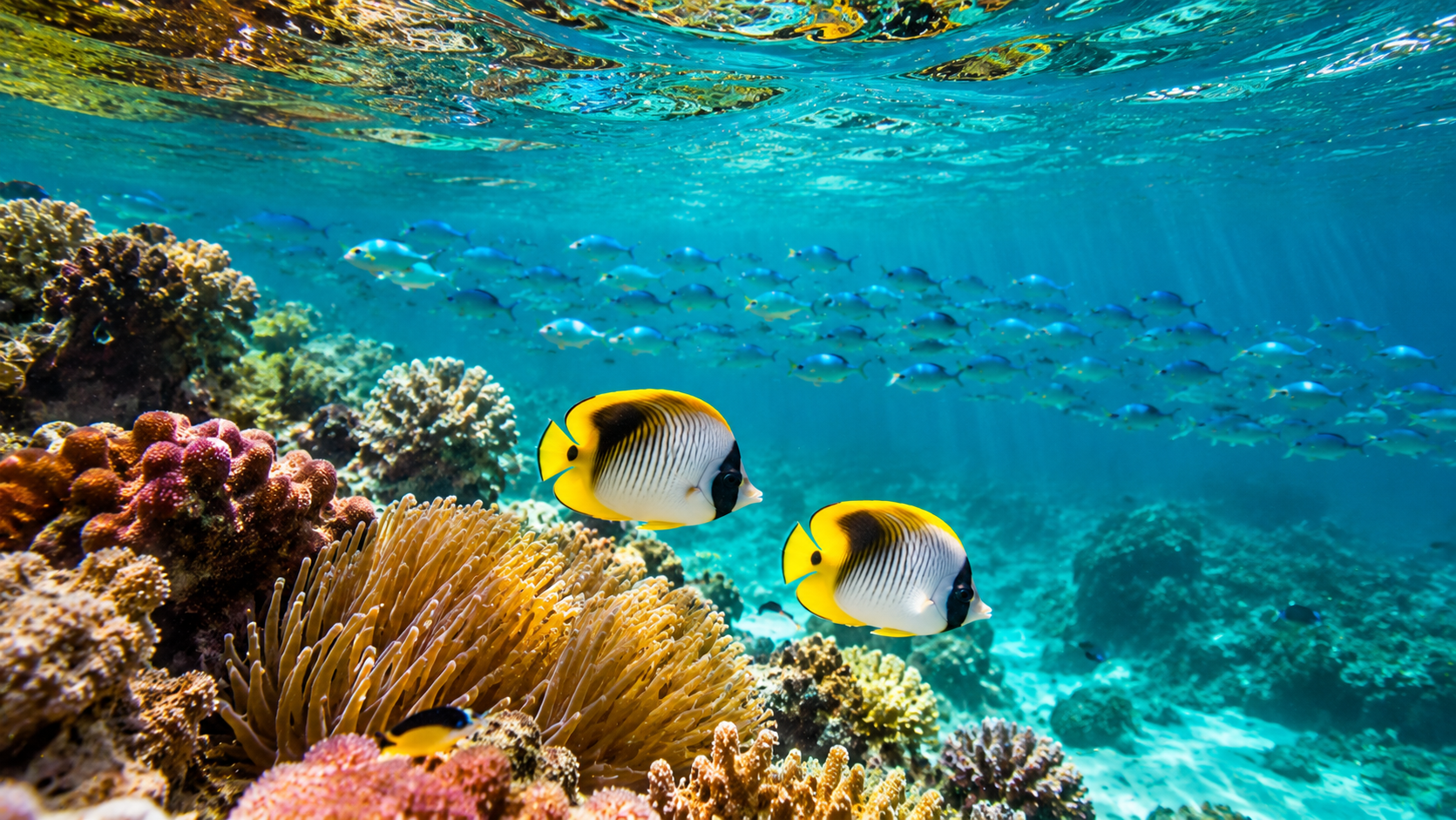
- Summer (October to April): Water temperatures warm up to 26°C–28°C, making long snorkeling sessions exceptionally comfortable without a wetsuit. Underwater visibility is at its peak during clear days, providing crisp views of deep reefs and marine life. However, this season also brings higher humidity and occasional summer rain showers or tropical swells, particularly from January to March.
- Winter (May to September): Sea temperatures cool slightly to 22°C–24°C, which may feel fresh during extended sessions. The main consideration during winter is the trade-wind season, when steady south-easterly winds create choppier waters along exposed coastlines.
Regional Protection & Weather Checks
During the trade-wind months, the west and northwest coasts (including areas like Grand Baie, Trou aux Biches, Balaclava, and Tamarin) remain naturally sheltered by the island’s mountainous topography. These regions offer significantly calmer waters and better clarity during winter compared to the exposed east and south coasts.
Regardless of the time of year, localized weather conditions, wind speed, and tidal shifts change daily. Always check the daily marine weather forecast and consult your boat operator prior to departure to ensure smooth seas and safe snorkeling conditions.
Essential Safety Tips for Snorkeling in Mauritius
To ensure an enjoyable and secure ocean experience, practicing proper safety measures and respecting the marine environment are essential. Following these fundamental guidelines helps protect both your group and the fragile ecosystems surrounding the island:
- Choose Licensed Operators: Always book your trip with a reputable, licensed charter provider that adheres to maritime safety standards, carries valid insurance, and equips its vessels with proper safety gear.
- Use Fit-for-Purpose Gear: Inspect your mask, snorkel, and fins before entering the water to ensure a comfortable fit. If you are a beginner, an inexperienced swimmer, or snorkeling in deeper waters, wear a buoyancy vest or use a flotation noodle for added stability.
- Listen to the Crew & Monitor Conditions: Pay close attention to the safety briefing provided by your skipper and crew. Always follow their guidance regarding designated swimming areas, current strength, and entry or exit procedures.
- Practice Responsible Snorkeling: Preserve Mauritius’ natural underwater beauty by maintaining a respectful distance from marine life. Avoid touching, standing on, or kicking coral reefs, and never chase or feed wild animals such as sea turtles or dolphins.
- Respect Marine & Navigation Zones: Stay well within marked snorkeling areas and remain clear of active boat channels and jet ski zones to avoid watercraft traffic. Use eco-friendly, reef-safe sunscreen to prevent harmful chemicals from damaging delicate coral habitats.
