


Coastal or Offshore License: Which One Should You Choose
Dreaming of exploring the open sea or cruising along the coast? Before you take the helm, it’s essential to choose the right boating license. In France, two main options exist: the coastal license and the offshore license. Each suits different types of navigation and boating ambitions. Whether you’re planning short coastal trips or long offshore adventures, this guide will help you understand the key differences and choose the license that fits your needs — for safe, legal, and unforgettable moments at sea.
Coastal License: The Gateway to Recreational Boating
What is the coastal license for?
The coastal license (also known as Permis Côtier in France) is the first step for anyone looking to enjoy recreational boating. It allows you to navigate up to 6 nautical miles (around 11 km) from a shelter, whether during the day or at night. This license is mandatory for operating motorboats over 6 horsepower (HP) and is also required for driving jet skis or personal watercraft. In addition to sea navigation, it authorizes boating on lakes and certain enclosed bodies of water.
What’s included in the training?
To obtain the coastal license, you must complete both theoretical and practical training through an accredited boat school.
- Theory (minimum 5 hours): You’ll learn the essentials of safe navigation, including:
- Maritime signs and buoyage
- Collision avoidance rules (based on RIPAM)
- Use of the VHF radio
- Weather basics and marine environment protection
- Rules for water sports like towing and jet skiing
The exam is a multiple-choice test (MCQ) of 40 questions. You must answer at least 35 correctly to pass.
- Practice (minimum 3.5 hours): Conducted in small groups, the practical training includes:
- Safety checks before departure
- Man-overboard procedures
- Docking and undocking
- Boat control in reverse, turns, and anchoring
- Basic navigation maneuvers
At the end of this session, your instructor will evaluate and validate your practical skills.
Conditions, cost, and duration
To take the coastal license, you must:
- Be at least 16 years old
- Provide a medical certificate confirming you are fit to operate a boat
- Submit ID, a photo, and pay the administrative fee (around €78)
The total cost of the license (including training and fees) usually ranges from €400 to €460, depending on the boat school. Most candidates complete their training over a weekend or two days, making it an accessible option for beginners eager to set sail quickly.
Offshore License: For Long-Distance and Open-Sea Navigation
What is the offshore license?
The offshore license (Permis Hauturier) is an extension of the coastal license that removes all distance limits from shelter. With it, you can navigate freely on the open sea, day or night, without restrictions on how far you sail from the coast. This license is ideal for offshore cruising, extended trips, and international crossings — whether you’re dreaming of reaching Corsica, the Balearic Islands, or beyond.
Advanced training content
Unlike the coastal license, the offshore license involves theory only — no practical exam — but it requires a strong grasp of advanced navigation concepts. The training typically covers:
- Marine chart reading: understanding symbols, depths, and positions
- Tide calculations using the rule of twelfths and tide tables
- Navigation planning: accounting for wind, current, drift, and compass headings
- Use of navigation tools: such as GPS, AIS (Automatic Identification System), and radar
- Weather and safety knowledge: interpreting forecasts and anticipating sea conditions
- Position fixing using lighthouses, bearings, and landmarks
To pass the exam, you’ll need to demonstrate your ability to read nautical charts and perform real navigation scenarios. Navigation instruments like a compass divider and marine charts are required during both training and the exam.
Requirements and costs
To be eligible for the offshore license, you must already hold a valid coastal license and be at least 16 years old.
The training usually takes place over 4 to 5 days, often in small classroom groups. The exam lasts 90 minutes and is scored out of 20; you must get a minimum score of 10 to pass.
Here’s a breakdown of the average cost:
- Training: around €300
- Administrative fee (tax stamp): €38
- Optional materials (divider, chart, ruler, etc.): approx. €25–€30
➡️ Total estimated cost: €360 to €400, depending on the training center and whether materials are included.
Comparing the Two Licenses by Type of Boater
Not all boaters have the same goals. Choosing between a coastal and an offshore license becomes much easier when you look at how you actually plan to use your boat.
The summer vacationer
If your idea of boating is relaxing coastal cruises, swimming stops, and exploring nearby coves during holidays, the coastal license is more than enough. It gives you the freedom to enjoy the shoreline safely and legally, without unnecessary complexity.
The weekend fisherman
For anglers who stay close to shore, a coastal license is usually sufficient. However, if your favorite fishing spots are farther offshore or you like chasing deeper-water species, the offshore license becomes a real advantage, giving you access to a much wider playground.
The future boat owner
If you’re planning to buy your own boat, thinking long term matters. While the coastal license covers most basic needs, the offshore license offers greater flexibility. It allows you to upgrade your boat and your cruising plans without being limited by distance.
The sailing enthusiast dreaming of long voyages
If you imagine crossing seas, reaching distant islands, or embarking on extended cruises, the choice is clear: the offshore license is essential. It gives you the skills, confidence, and legal freedom to go wherever the wind takes you.
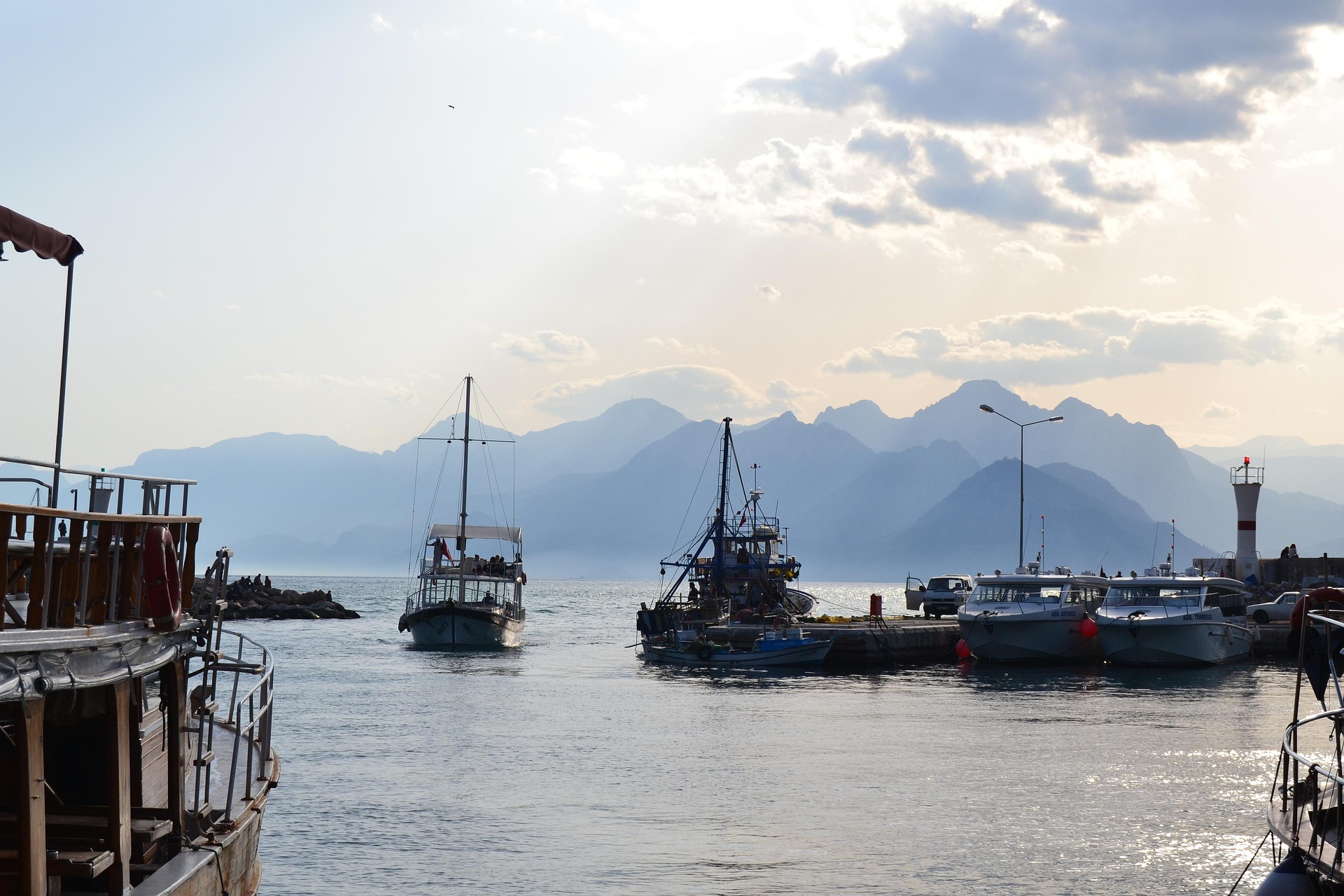
What Types of Boats Can You Operate with a Coastal or Offshore License?
Both the coastal and offshore licenses allow you to operate a wide range of recreational boats, but the key difference lies in how far you can take them, not what you can drive.
With a Coastal License, you can operate:
- Small motorboats for leisure or fishing
- Rigid inflatable boats (RIBs), popular for their speed and stability
- Cabin cruisers for short coastal trips
- Sailboats equipped with a motor over 6 horsepower (HP)
- Jet skis and personal watercraft
This license gives you access to all boats with unlimited engine power, as long as you stay within 6 nautical miles of a shelter.
With an Offshore License, you can operate:
- All the same boats as with the coastal license
- Larger vessels, such as trawlers or long-range cruisers
- Motor catamarans designed for stability and comfort on open seas
- Yachts or any high-powered, long-distance capable boat
There is no engine power limit with either license — you can technically operate very powerful boats — but your area of operation is what’s legally restricted with a coastal license.
Real-world example:
- Want to cruise around the French Riviera or explore a nearby island for the day? A coastal license will do.
- Planning a multi-day journey to Corsica or the Balearic Islands on a larger boat? You’ll need the offshore license — not because of the boat itself, but because of the distance you’ll be covering.
Side-by-Side Comparison Table
Here’s a quick overview to help you clearly see the differences between the coastal and offshore licenses:
| Criteria | Coastal License | Offshore License |
| Navigation area | Up to 6 nautical miles from a shelter | No distance limit |
| Boat type | Boats with engine > 6 HP | Same |
| Exam format | Theory (multiple choice) + practical training | Theory only |
| Training time | Approx. 2 days | Approx. 5 days |
| Best suited for | Day trips, water sports, fishing, nearshore fun | Long-distance trips, offshore cruising |
| Average cost | Around €450 | Around €370 (excluding navigation tools) |
This table gives a clear picture: if your goal is simple and local, the coastal license is a great fit. But for those seeking freedom and distance, the offshore license is the way to go.
Do You Need a License to Sail a Yacht?
In France, you don’t need a license to sail a yacht as long as the boat is wind-powered only and does not have an engine over 6 horsepower (HP). This means you can legally sail most traditional sailboats without a license — as long as you’re relying solely on the wind.
However, if the sailboat is equipped with a motor over 6 HP, even as auxiliary power, a coastal license is required to operate it.
That said, while a license might not always be mandatory, nautical knowledge is absolutely essential. You’ll need to understand:
- How to read nautical charts
- The rules of the sea (priority, safety, signaling)
- Tide patterns and currents
- Weather conditions and their impact on navigation
In addition, many boat rental companies or charter agencies — especially abroad — will ask for proof of your sailing experience. This is often done through a “sailing resume”, where you list the types of boats you’ve sailed, your routes, and time at sea.
So even without a formal license, be prepared to demonstrate competence, especially if you’re planning to charter a yacht in another country.
Is a French Boating License Valid Abroad?
There is no international boating license, but the French boating licenses (coastal and offshore) are recognized in most European countries, especially within the context of recreational boating.
However, if you’re planning to rent a boat abroad, many charter companies will ask for:
- A translated version of your French license (often in English)
- Proof of experience or a nautical resume
In some countries — like Croatia — it is mandatory for at least one person on board to hold a VHF certificate, officially known as the CRR (Certificat Restreint de Radiotéléphoniste). This is essential for operating marine radios legally in international waters.
To make things easier, it’s highly recommended to obtain an ICC (International Certificate of Competence), also known in France as the CPI (Certificat de conduite de bateau de plaisance à usage personnel). This document serves as an internationally recognized translation of your French license and can simplify procedures in foreign ports or during check-ins with charter companies.

Conclusion
Whether you’re planning relaxed coastal outings or dreaming of crossing open seas, choosing the right boating license is the first step to safe and enjoyable navigation. The coastal license is ideal for beginners and short trips close to shore, while the offshore license opens the door to long-distance cruising and greater freedom. Whichever path you choose, solid training and a good understanding of navigation will give you the confidence to make the most of every moment at sea.
